


Reference · Crops
Rue
Ruta L.
Rue seeds are typically sown in early spring once the soil warms up, or in late autumn for winter sowing. For better results, starting seeds in a greenhouse during March is recommended to ensure strong seedlings.
1
items
What the section contains
Marketplace
Products in this section · 2

Rue
The seeds should be covered with a thin layer of soil, no more than 0.5–1 cm deep, as they require light to germinate properly. Consistent moisture is crucial during the germination phase, which usually takes two to three weeks.
When planting in open fields, it is advisable to maintain row spacing of approximately 50–60 cm to allow for sufficient air circulation and ease of maintenance.
A density of 5–8 plants per square meter is considered optimal for commercial cultivation, ensuring good yields while preventing overcrowding.
As rue is a hardy perennial, careful site selection is important, as the plants will occupy the same space for several years.
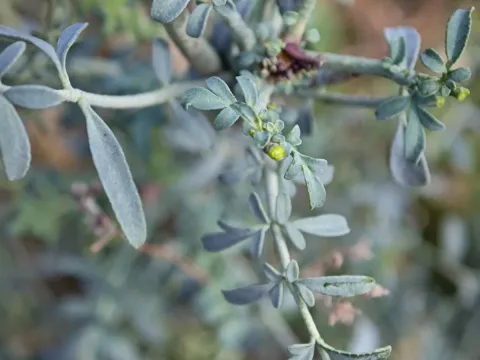
Rue is a member of the Rutaceae family, native to the Mediterranean region. It thrives in well-lit, sunny areas and is sensitive to strong, cold winds that can damage the leaves.
The plant prefers light, well-drained, slightly alkaline or neutral soils. It is highly intolerant of waterlogged conditions, which can quickly lead to root rot.
In colder climates, winter protection such as mulching or covering with agro-textiles is necessary to prevent the plants from succumbing to severe frosts.
Routine weeding and shallow hoeing are required to keep the soil surface aerated and to prevent competition from aggressive weeds during the establishment phase.
The plant requires moderate watering during dry spells, but excessive irrigation can dilute the concentration of the essential oils that make it valuable.
The yield of rue typically increases as the plant matures, reaching its peak production capacity between the third and fourth year of growth.
Harvesting the aerial parts twice a season is standard practice, with the first harvest timed at the beginning of the flowering stage.
Proper management of the harvest schedule allows the plant to recover and produce a second, smaller harvest towards the end of the summer season.
It is critical to wear protective gloves and long sleeves during harvesting, as the plant sap contains furocoumarins that can cause skin irritation upon sun exposure.
The dry weight yield depends heavily on the maintenance of soil fertility and the timely management of weeds throughout the growing season.
Rue is naturally resistant to many pests due to the high concentration of strong-smelling volatile oils, which act as a natural deterrent to many insects.
However, in environments with high humidity and poor ventilation, the plant may become susceptible to fungal infections like root rot or fusarium wilt.
Aphids can occasionally infest new growth, requiring manual removal or careful monitoring to prevent the population from expanding.
Prevention involves ensuring proper drainage and avoiding overcrowding, which are the most effective ways to maintain the health of a rue plantation.
If disease symptoms appear, removing the affected plant material immediately is the best way to curb the spread of pathogens to neighboring plants.
Harvesting is performed by cutting the upper 20–25 cm of the stems during the peak flowering period, which ensures the highest essential oil content.
Drying must be conducted in shaded, well-ventilated areas or in temperature-controlled drying cabinets at temperatures below 40 degrees Celsius.
Once dried, the herb should be processed to remove woody stems and stored in airtight, light-proof containers to preserve its potent aromatic properties.
Rue is widely used in the pharmaceutical industry for its antispasmodic properties, as well as a flavoring agent in traditional culinary applications.
In sustainable agriculture, rue is frequently utilized as a companion plant, planted alongside other vegetables to repel various garden pests effectively.