
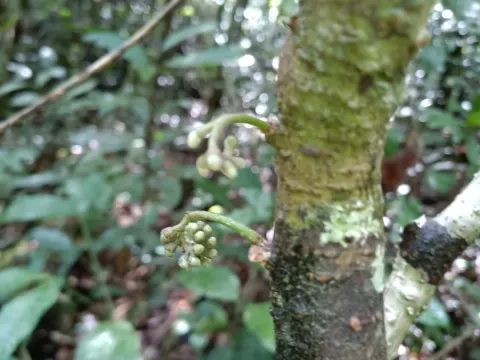
Raputia
Raputia
Raputia belongs to the Rutaceae family, so sowing times are dependent on the tropical climate. Planting is typically performed at the onset of the rainy season to ensure sufficient moisture for germination.
What the section contains
Raputia
The seeds of this crop show moderate germination rates and require pre-sowing preparation. In nursery conditions, stratification is often practiced to improve seed vigor and uniformity.
The optimal temperature for the beginning of the growth phase is between 22 and 26 degrees Celsius. Avoiding sudden temperature fluctuations during the first weeks after sprouting is critical for plant survival.
Sowing is carried out in prepared substrates enriched with organic matter to provide initial nutrients. When container gardening, it is essential to maintain proper spacing to avoid overcrowding.
Once the seedlings reach a sufficient size, they are transplanted to their permanent location, taking into account the plant's light requirements.
Raputia prefers well-drained, fertile soils with a neutral or slightly acidic pH level. Excessive soil moisture and waterlogging are highly detrimental to the root system of this plant.
The crop is light-demanding, which means it produces the best results in open, sunny locations. Growth rates slow down significantly in shaded areas, negatively impacting productivity.
Protection from strong winds is an important factor, as gusts can damage young foliage and tender shoots. Establishing windbreaks is a standard practice when setting up plantations.
The plant requires regular fertilization, especially during the peak of its vegetative growth. Balanced mineral complexes containing essential micronutrients are highly recommended.
The irrigation system should be designed to keep the soil moderately moist without becoming waterlogged. During dry spells, overhead sprinkling can help maintain an ideal microclimate.
Like many members of the Rutaceae family, Raputia is susceptible to various fungal diseases that thrive in high-humidity conditions. Regular inspections for leaf spotting are mandatory.
Common pests include insects that damage foliage and developing fruit. Aphids and spider mites often colonize weakened plants during extended dry periods.
Preventive treatments with systemic fungicides are used to combat potential disease outbreaks. It is vital to follow dosage instructions carefully to avoid chemical burn to plant tissues.
Biological control methods, such as the use of beneficial entomophages, demonstrate good efficacy. These methods help reduce the overall chemical load on the crop.
Timely sanitary pruning of damaged or infected branches is necessary to limit the spread of diseases within the planting area.