
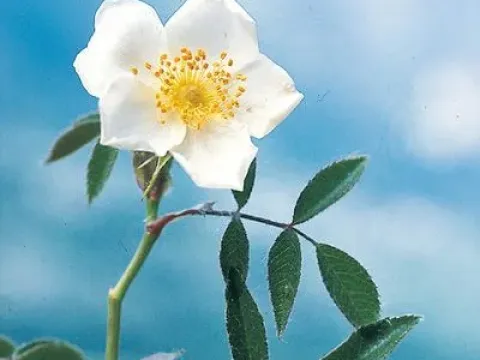
Chavina Rose
Rosa chavinii
The Chavina Rose (Rosa chavinii) is a perennial shrub belonging to the Rosaceae family. This species is recognized for its remarkable resilience and ability to thrive in challenging alpine environments, where it adapts to rocky substrates and limited moisture.
What the section contains
Chavina Rose
The plant's natural range is characterized by high-altitude ecosystems, leading to a strong, deep root system. It prefers well-drained, slightly acidic to neutral soils. Poorly drained, heavy clay soils are unsuitable and can lead to immediate physiological stress.
Climatic requirements for the Chavina Rose include a preference for full sun exposure and regions with distinct seasonal changes. Its inherent cold hardiness allows it to survive harsh winters, making it an excellent candidate for colder agricultural zones.
Agricultural management should prioritize soil aeration and the avoidance of waterlogging. While the plant is hardy, it benefits from moderate applications of potassium-based fertilizers, which promote wood maturity and resistance to frost.
The pruning schedule should focus on structural integrity and airflow. Removing old, dead wood in early spring helps to revitalize the shrub and ensures that new growth receives sufficient light and ventilation throughout the summer.
Black spot is a primary fungal threat to the Chavina Rose, particularly in regions with high humidity levels. The infection manifests as dark spots on leaves, which, if left untreated, leads to premature defoliation and weakened plant health.
Powdery mildew often appears during periods of high temperature fluctuations between day and night. Managing this disease involves the use of preventive fungicides and maintaining proper distance between individual shrubs to ensure constant airflow.
Pests such as aphids and spider mites frequently target the tender new growth of the species. Integrated pest management, including both biological controls and targeted chemical treatments, is essential to minimize damage during the peak growing season.
Root rot is a significant risk if the soil moisture is not managed correctly. This condition is often fatal and can be prevented by ensuring that the cultivation site has superior drainage properties from the start of the planting process.
Regular sanitation of the planting area is required to prevent the overwintering of pathogens. By clearing fallen leaves and debris, gardeners can significantly reduce the potential infection pressure for the following spring season.