
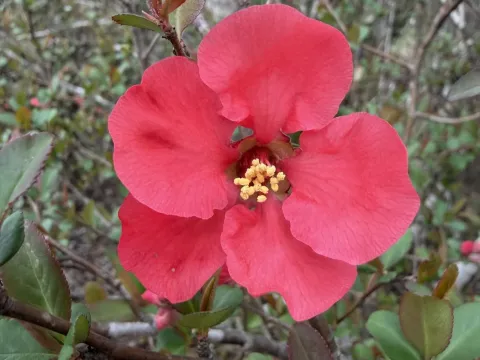
Chaenomeles
Chaenomeles Lindl.
Seeds of Chaenomeles are typically sown in autumn, directly into the open ground or specialized containers. This natural stratification period is crucial for achieving high germination rates and ensuring vigorous seedling growth the following spring.
What the section contains


Chaenomeles
For spring sowing, seeds must undergo cold stratification in a refrigerator at temperatures between 0 and +5 degrees Celsius for approximately two to three months. After this period, they are planted in a well-draining, nutrient-rich substrate.
Vegetative propagation via cuttings is highly efficient, particularly when performed in early summer. Softwood cuttings should be placed in greenhouses with high humidity to facilitate root development within a few weeks.
Division of the main bush or the use of root suckers are also common practices to preserve the specific traits of the mother plant. These procedures are ideally timed for early spring or late autumn when the plant is dormant.
The planting distance depends on the desired use: approximately 0.5 to 1 meter for dense hedges, or up to 3 meters between rows for intensive fruit production orchards to ensure adequate airflow and sunlight access.
Chaenomeles belongs to the Rosaceae family and requires significant sunlight to thrive. Planting the shrub in shaded areas often results in poor flower development, stunted growth, and failure to ripen fruit properly.
The culture prefers fertile, slightly acidic to neutral loamy or sandy soils with a pH ranging from 5.5 to 6.5. Good drainage is vital, as the root system is highly sensitive to waterlogging, which can lead to fungal infections.
This shrub is known for its high winter hardiness, making it suitable for temperate climates. While mature plants handle harsh winters well, it is advisable to protect young shrubs during their first few years in colder regions.
Pruning is an essential agrotechnical requirement. Annual maintenance pruning should be performed in early spring to remove dead branches, while structural pruning is best done after harvesting to encourage healthy new growth.
Supplemental irrigation is necessary during dry spells, especially during the fruit-setting stage. Applying balanced fertilizers in early spring helps boost vegetative growth, while potassium-rich fertilizers in autumn improve the plant's winter endurance.
An average mature Chaenomeles bush can produce between 2 to 5 kilograms of fruit. Under intensive agricultural management, yields can reach significant volumes per hectare, provided that pollination and nutrient requirements are fully met.
Seedlings typically begin to bear fruit after 3 to 4 years, whereas vegetatively propagated plants can reach maturity within 2 to 3 years. The peak of productive life occurs between the ages of 7 and 15 years.
To maximize yields, it is highly recommended to plant multiple cultivars close to each other. Cross-pollination is essential for increasing the number of fruits per cluster and improving their average individual weight.
The quality of the yield is heavily dependent on sunlight exposure. Fruits grown in optimal conditions accumulate higher concentrations of vitamin C, organic acids, and sugars, making them highly desirable for culinary use.
Harvesting should be completed before the arrival of the first hard frosts. Even minor freezing can damage the texture and internal chemistry of the fruit, significantly reducing its shelf life and commercial value.
The most frequent health issues in Chaenomeles are bark necrosis and cytosporosis, often linked to improper moisture management. Scab is another potential threat, which manifests as blemishes on both leaves and the fruit surface.
Proactive disease management involves using copper-based fungicides during the dormant season. Additionally, keeping the garden tools sterilized and promptly removing any infected plant matter is crucial to preventing the spread of spores.
Aphids and spider mites are the primary insect pests affecting this crop. They target the succulent new growth and leaves, causing curling and reducing the overall vigor of the plant during the active growing season.
Integrated pest management, including the use of systemic insecticides, is effective, though care must be taken to avoid spraying during the peak flowering period to protect essential pollinators like honeybees.
Maintaining a clean garden environment by removing weeds and ensuring that the shrub's canopy is not too dense is the best prevention strategy. Proper aeration reduces the microclimate conditions that favor pest and disease outbreaks.