
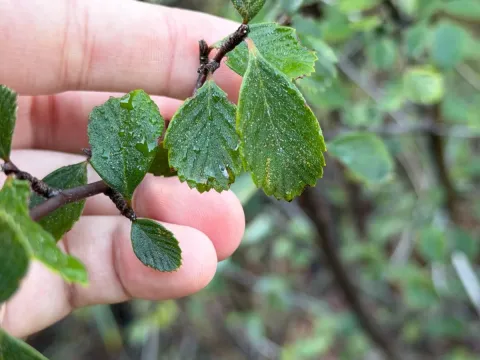
Cercocarpus
Cercocarpus
Cercocarpus, often referred to as mountain mahogany, is a genus of shrubs and small trees within the Rosaceae family that is valued for its hardiness in arid environments.
What the section contains


Cercocarpus
Propagation is primarily conducted through seeds, which feature a long, feathery style that aids in dispersal, though these should be removed prior to planting for better germination rates.
Seeds typically require a cold stratification period to break dormancy; therefore, sowing in the fall allows nature to handle the stratification process during the winter months.
When starting seeds in nurseries during the spring, cold moist stratification at temperatures just above freezing for several weeks is essential to ensure consistent and high emergence rates.
The planting substrate should be light, well-draining, and free of heavy clays to prevent moisture retention, which can be detrimental to the developing radicle during the initial germination phase.
This crop is highly adapted to extreme conditions, thriving in regions characterized by long periods of drought and high summer temperatures where many other species would fail.
It prefers full sun exposure throughout the day, which encourages a compact growth habit and improves the plant's overall structural integrity and visual appeal.
Soil requirements are relatively modest; the plant performs best in rocky, sandy, or gravelly soils that provide superior drainage, essential for its health.
Cercocarpus has a natural affinity for nitrogen-fixing bacteria, allowing it to survive and even flourish in nutritionally poor soils without the need for intensive fertilization regimes.
The plant is sensitive to waterlogged conditions, making proper site selection in terms of elevation and topography critical to avoid the accumulation of stagnant water.
Root rot is the most significant pathological threat to Cercocarpus, occurring almost exclusively when plants are situated in soil with poor drainage or during periods of excessive irrigation.
While generally hardy, the foliage can be susceptible to powdery mildew, particularly when plants are grown in overcrowded conditions with limited air circulation.
Insect pests such as aphids and leaf rollers may occasionally infest the young, succulent growth, necessitating monitoring, especially during the peak of the spring growing season.
Winter damage from small mammals can sometimes occur in harsh winters when natural food sources are scarce, potentially leading to girdling of the stems and subsequent branch dieback.
To mitigate these risks, cultural practices such as spacing for optimal airflow, choosing well-drained sites, and performing timely sanitary pruning are the most effective management strategies.