
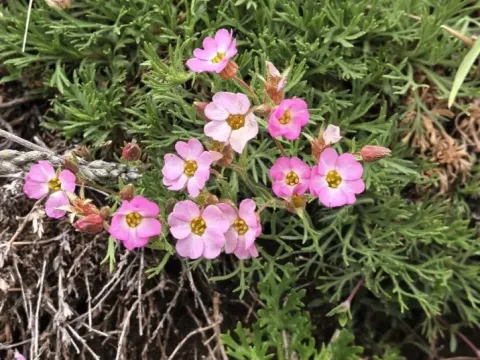
Chamaerhodos
Chamaerhodos
Chamaerhodos is a genus of herbaceous plants belonging to the Rosaceae family. These plants are primarily native to the arid and cold steppe regions of Central and Northern Asia, adapted to thrive in harsh environments.
What the section contains

Chamaerhodos
To cultivate Chamaerhodos successfully, it is essential to provide excellent drainage, as the plants are highly susceptible to root rot in saturated conditions. They thrive in rocky or sandy, well-aerated substrates that reflect their natural habitat of mountain slopes and gravelly plains.
Exposure to full sunlight is a critical requirement for this culture. It does not tolerate shade or high humidity, which can lead to stunted growth or fungal issues. The plant is exceptionally hardy against freezing temperatures and survives in climates with extreme seasonal variability.
Agricultural management is relatively low-maintenance once the plants are established. Minimal supplemental irrigation is required, as the species is adapted to survive with limited water availability through deep, efficient root penetration into the soil.
Beyond its botanical interest, Chamaerhodos is utilized in xeriscaping and rock garden design, where its compact, resilient nature provides structural beauty. Its role in sustainable landscaping as a low-water requirement species is becoming increasingly recognized.
The most significant threat to Chamaerhodos is root rot caused by poor soil drainage and waterlogging. Preventing stagnant water around the root zone is the primary defense strategy for any grower.
Pests such as aphids and spider mites can infest the foliage, particularly during dry and hot spells. Regular monitoring of the plant’s foliage is necessary to detect infestations early and prevent them from damaging the plant's vigor.
Fungal diseases like leaf spot may occur if the ambient humidity remains high for extended periods. Ensuring good airflow and avoiding overcrowding is crucial to keep the foliage dry and healthy.
Weed control is vital, especially during the early stages of establishment, as Chamaerhodos does not compete well with vigorous weeds for nutrients or light. Keeping the planting area clean is a necessary step in the maintenance routine.
Using inorganic mulch, such as gravel or crushed rock, is a recommended practice to keep the crown of the plant dry. This physical barrier significantly reduces the likelihood of soil-borne pathogens infecting the stems.