
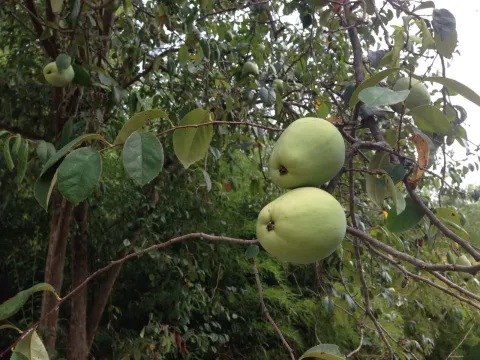
Chinese quince
Pseudocydonia (C. K. Schneid.) C. K. Schneid.
Propagation of the Chinese quince is typically achieved through seeds, root suckers, or cuttings. Seeds should be sown in autumn for cold stratification or planted in spring after a period of stratification to ensure high germination rates.
What the section contains
Chinese quince
When sowing in containers, use a light, well-draining substrate to prevent moisture buildup, which can be fatal to seedlings. The ideal time to transplant saplings to their permanent location is early spring or autumn, allowing the root system to establish before extreme weather.
Choose a site sheltered from strong winds, as young trees are sensitive to sudden temperature fluctuations. Space the trees at least 3–4 meters apart to accommodate their mature size and facilitate adequate air circulation.
For faster fruiting, many orchardists utilize grafting scions onto suitable rootstock. This method can shorten the waiting period for the first harvest by several years compared to seed-grown trees and ensures genetic consistency.
Ongoing care for young trees includes regular watering and mulching around the base to retain soil moisture and protect the roots from heat and frost during the critical establishment phase.
The Chinese quince is a deciduous tree or large shrub in the Rosaceae family, highly valued for its beautiful spring flowers and golden autumn fruits. It requires a sunny position to produce optimal yields and maintain health.
The tree prefers loose, fertile, loamy soils with a neutral to slightly acidic pH. Proper drainage is essential, as waterlogged soil can lead to root rot and other fungal diseases, effectively hindering the growth of the tree.
Climate requirements include a moderately warm summer for fruit ripening and a distinct winter dormancy period. While mature specimens are quite hardy, young saplings in northern regions may require temporary protection during their first winters.
Watering should be moderate but consistent, especially during the fruit development phase. Excessive moisture can diminish fruit quality and lead to premature drop, whereas drought may stunt tree growth.
Pruning is a crucial cultural practice performed in early spring. Removing dead, damaged, or overcrowded branches improves sunlight penetration and airflow, which are vital for healthy growth and disease prevention.
Yields of the Chinese quince depend on the tree's age, sun exposure, and pollination success. A healthy, mature tree can provide a bountiful harvest highly prized by both commercial growers and home gardeners.
The fruits are noted for their large size, smooth skin, and intense, fragrant aroma, often compared to a blend of apple and pineapple. They are rich in pectin, organic acids, and Vitamin C, making them excellent for processing.
Common culinary uses include the production of jams, jellies, marmalades, and candied fruits. Beyond food, the fruits are used in traditional medicine for their digestive and immune-boosting properties.
Chinese quince fruits exhibit excellent shelf life, allowing for long-distance transport without compromising quality. When kept in a cool, ventilated environment, they remain fresh for several months.
Applying potassium and phosphorus fertilizers during the fruit-ripening stage helps increase fruit weight and enhances the sugar content, contributing to a superior commercial product.
Leaf spot diseases are common, especially in humid conditions with poor air circulation. Regular removal of fallen leaves and the application of fungicides can effectively mitigate these risks and prevent spreading.
Powdery mildew can affect young shoots in mid-summer, causing deformation and growth stunting. Early intervention with systemic fungicides is recommended to maintain the tree's vigor and health.
Pests such as aphids and scale insects may target the leaves and stems. Integrated pest management, including the use of biological control agents or insecticidal soaps, is usually sufficient to control infestations.
Root rot is a major threat caused by poor soil drainage or overwatering. Prevention relies on adhering to best agronomic practices, such as choosing the right soil profile and maintaining a proper moisture balance.
Regular visual inspections of the tree allow for the early detection of pests and pathogens. Prompt action is the key to maintaining a productive and healthy orchard environment for many years.
Harvesting typically occurs when the fruits reach technical maturity, characterized by a firm texture and a golden-yellow hue. Depending on the local climate, this usually falls between late September and October.
Fruits should be handled with care to avoid skin abrasions, which can significantly shorten their storage life. Using gloves and sharp shears prevents accidental damage to both the fruit and the tree.
Avoid harvesting during wet weather, as moisture on the surface of the fruit can encourage spoilage. After picking, allow the fruits to dry in a shaded, ventilated area before moving them to storage.
For optimal shelf life, place fruits in a single layer in ventilated wooden crates. Storage temperatures should be maintained between +2 and +5 degrees Celsius to slow the maturation process.
Immature fruits can continue to ripen post-harvest, developing a deeper aroma and increased sweetness. However, only fully formed fruits should be selected for long-term storage or processing.