
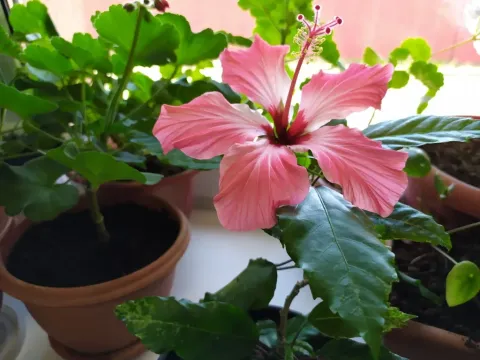
China rose
Rosa china
The China rose (lat. Rosa chinensis) is a deciduous or semi-evergreen perennial shrub belonging to the Rosaceae family. It is historically significant as it introduced the trait of repeat-blooming to the Western rose gene pool through hybridization.
What the section contains
China rose
Originating from the subtropical regions of China, this species thrives in climates where summers are warm and winters are relatively mild. It prefers a full sun exposure, requiring at least six hours of direct sunlight daily to produce high-quality blooms and maintain overall vigor.
The soil requirements for Rosa chinensis include a rich, loamy medium that is slightly acidic to neutral. High levels of organic matter improve the soil structure and nutrient availability, which are essential for sustained flower production throughout the growing season.
Water management is critical; while the plant requires consistent moisture, it is highly sensitive to waterlogging. Implementing a drip irrigation system is often recommended to maintain consistent soil moisture levels without wetting the foliage, thus reducing the risk of fungal infections.
Maintenance involves routine pruning and deadheading. Removing spent blooms encourages the plant to direct its energy toward producing new buds rather than seed pods, which is essential for maximizing the decorative yield of the shrub.
Like most roses, the China rose is vulnerable to various fungal pathogens, notably powdery mildew, black spot, and botrytis. These conditions are exacerbated by high humidity, poor air circulation, and improper overhead watering techniques.
Common insect pests include aphids, which cluster on new growth, as well as spider mites and scale insects. These pests feed on the plant's sap, potentially causing yellowing, leaf drop, and stunted growth if left unmanaged.
- Regular application of broad-spectrum fungicides.
- Monitoring for pest outbreaks during the spring and summer.
- Sanitizing garden tools to prevent cross-contamination.
- Spacing plants to ensure maximum airflow between branches.
- Using integrated pest management (IPM) to balance chemical and biological controls.