
Chamaebatia
Chamaebatia
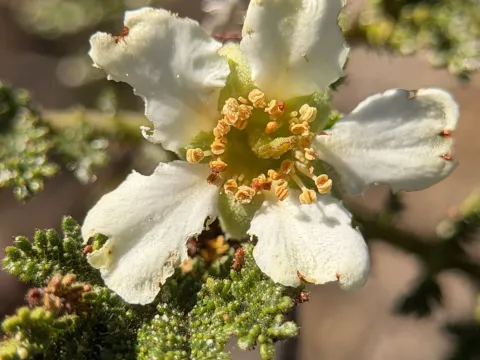
Chamaebatia is a genus of evergreen low-growing shrubs belonging to the Rosaceae family. In nature, this representative of the flora is found primarily in the mountainous regions of California, preferring dry, sunny slopes.
What the section contains


Chamaebatia
The plant possesses high ornamental value due to its fern-like, deeply divided foliage, which emits a characteristic resinous aroma when crushed. The stems of Chamaebatia are typically covered with glandular hairs, giving it a unique texture.
For successful growth, the crop requires well-drained, sandy, or rocky soils with low organic content. The plant does not tolerate waterlogging in the root zone, which can lead to rapid decay of the root system.
The climate preferences of Chamaebatia include a Mediterranean-type climate with a distinct dry summer and a moderately cool winter. The plant is quite drought-tolerant and is adapted to bright, intense sunlight throughout the entire growing season.
In terms of agricultural practice, Chamaebatia is used mainly in landscaping as a ground cover or as an element of rock gardens. While it has not found wide application in commercial agriculture, it remains of interest for the selection of decorative varieties.
The main threat to Chamaebatia is fungal diseases, which develop due to excessive watering and poor air circulation.
Root rots are the most dangerous pathological conditions, which can only be prevented by strictly controlling the moisture level of the substrate.
Pests such as spider mites can infest the plant under low humidity conditions when grown in enclosed ground or greenhouses.
Aphids sometimes settle on young shoots, although damage from them rarely becomes critical for a mature bush.
Disease prevention is primarily focused on avoiding organic mulching, which retains moisture directly near the base of the stems for extended periods.