
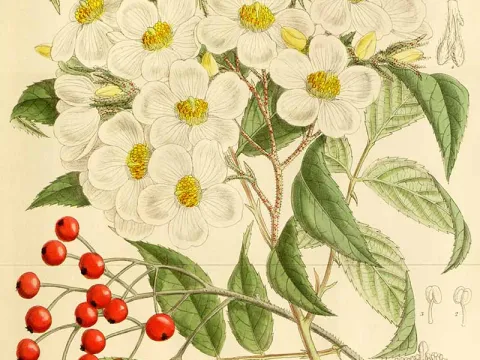
Cherry-fruited rose
Rosa cerasocarpa
Rosa cerasocarpa is a notable member of the Rosaceae family, recognized for its distinct fruit characteristics. Propagation is primarily achieved through vegetative methods such as hardwood cuttings or layering.
What the section contains
Cherry-fruited rose
Seed propagation is possible but often requires an extended period of cold stratification, making it less favorable for large-scale agricultural operations compared to clonal techniques.
The ideal planting time is early spring, immediately after the ground thaws, or during late autumn before the first significant frosts to ensure root establishment.
Before planting, the soil should be amended with well-rotted organic compost to provide the necessary nutrients for the young shrub to develop a strong root architecture.
Proper spacing between plants is crucial to ensure adequate airflow, which is the primary defense against foliage diseases in mature Rosa cerasocarpa specimens.
This species thrives in full sun exposure, which is essential for maximizing both flower production and the subsequent development of fruit, which is its main ornamental or medicinal asset.
The plant performs best in fertile, well-draining loam soils; it is highly sensitive to waterlogged conditions, which can quickly lead to root decay and overall plant decline.
Regular irrigation is required during the fruit development stage, but care should be taken to water the base of the plant rather than the leaves to prevent fungal growth.
Application of a balanced fertilizer in the early spring, followed by potassium-rich supplements in late summer, ensures the plant has the energy to withstand winter conditions.
While the species exhibits good hardiness, in colder climates, the base of the shrub should be mulched heavily with straw or wood chips to protect the root crown.
The main pathological threats to Rosa cerasocarpa include powdery mildew and black spot, both of which are exacerbated by high atmospheric humidity and lack of ventilation.
Insect pests, such as aphids and rose sawflies, can cause significant damage by consuming new shoots and weakening the plant's structural integrity during the growing season.
Integrated pest management strategies should be employed, utilizing both biological controls and targeted systemic fungicides only when infestation levels exceed economic thresholds.
Sanitation is key; all fallen leaves and diseased prunings should be removed and destroyed to prevent the overwintering of fungal spores in the garden area.
- Regular inspection of the underside of leaves helps identify pest outbreaks in their earliest stages.
- Maintaining vigorous growth through proper watering and fertilizing makes the plant more resilient to opportunistic attacks.