
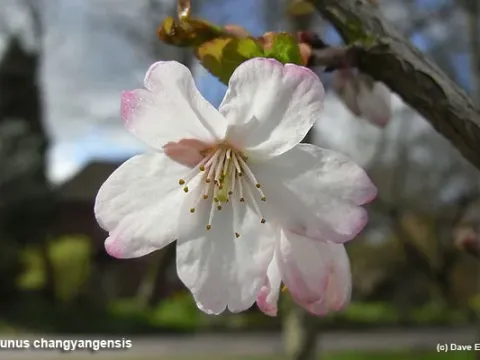
Changyang plum
Prunus changyangensis
The Changyang plum (Prunus changyangensis) is a unique botanical species belonging to the Rosaceae family. Native to the mountainous regions of Hubei Province, China, this species is highly valued for its adaptation to specific forest ecosystems and unique fruit characteristics.
What the section contains
Changyang plum
To cultivate Prunus changyangensis successfully, the site selection must provide well-drained, fertile soil with a slightly acidic to neutral pH level. The species thrives in moderate climatic conditions and requires protection from extreme cold and strong, desiccating winds that can damage the delicate flower buds.
Agricultural practices for this plum involve consistent irrigation during the peak growing season, particularly when the fruit begins to swell. Water management is critical; however, excessive saturation of the root zone should be avoided to prevent root decay, which is a common challenge for this genus.
Canopy management is essential for long-term health and fruit production. Annual pruning helps maintain light penetration, reduces humidity within the foliage, and encourages the growth of new fruiting wood, ensuring a balance between vegetative growth and reproductive potential.
Soil fertility management should focus on a balanced NPK ratio. Supplementing with organic mulch helps to stabilize soil temperatures and improve the overall nutrient uptake, which is especially beneficial during the tree's formative years in an orchard setting.
Like many stone fruits, the Changyang plum is susceptible to fungal pathogens such as brown rot (Monilinia) and shot-hole disease (Stigmina carpophila). Proper hygiene, including the removal of mummified fruit and infected branches, is essential to minimize the inoculum in the orchard.
Pests such as plum fruit moth and aphids represent significant threats to crop quality. Integrated Pest Management (IPM) strategies, which combine pheromone monitoring with targeted biological control agents, are highly recommended to minimize chemical reliance.
Bacterial canker is another major threat that can compromise the structural integrity of the tree. Keeping the bark healthy and applying protective copper-based treatments can help mitigate the risks associated with this destructive pathogen.
Environmental stressors like spring frosts pose a risk to blossoms, potentially leading to total crop failure. The use of site selection strategies and frost protection methods during the flowering stage is necessary to ensure reliable yields in sensitive regions.
Regular monitoring of the orchard is necessary to detect early symptoms of decline. By inspecting the foliage and bark, growers can address issues like nutrient deficiencies or minor pest infestations before they escalate into significant economic losses.