
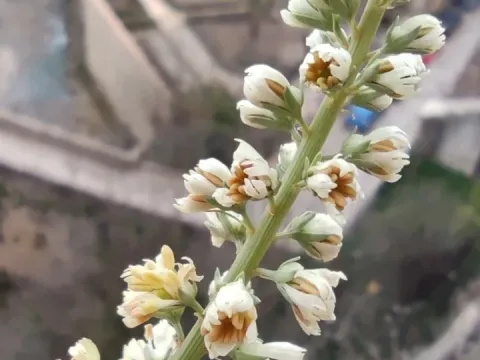
Wavy-leaved mignonette
Reseda undata
Reseda undata, belonging to the Resedaceae family, is a versatile plant often grown as an annual or biennial crop. Successful cultivation begins with choosing a location that provides full sun exposure for the majority of the day.
What the section contains
Wavy-leaved mignonette
Sowing in open fields should occur once the risk of frost has passed and soil temperatures consistently reach 10–12 degrees Celsius. Direct drilling into well-prepared seedbeds ensures optimal establishment.
The seeds are tiny and should be sown at a shallow depth of approximately 0.5 to 1 centimeter. Proper soil-to-seed contact is essential for germination, so a light pressing after sowing is recommended.
Spacing is critical for the development of individual plants. Thinning out the seedlings to a distance of 20 centimeters apart allows for adequate airflow and prevents the overcrowding that can lead to disease.
For regions with shorter growing seasons, starting plants in trays and transplanting them when they are robust enough can significantly improve the success rate of the crop.
This crop thrives in well-drained, light, and fertile soils. Loamy or sandy soil types with a neutral or slightly alkaline pH are ideal, as they prevent the waterlogging that the plant finds detrimental.
Regular but moderate irrigation is necessary, particularly during the early vegetative stage. However, the plant is relatively resilient to dry conditions once established, which makes it a favorable crop in Mediterranean-like climates.
Maintaining soil structure through regular weeding and shallow cultivation is essential to keep the roots oxygenated. This practice also prevents the formation of a surface crust that could hinder moisture absorption.
The plant benefits from moderate fertilization, preferably using balanced organic amendments. High levels of nitrogen should be avoided as they may promote excessive leaf growth at the expense of flower development.
Wind protection can be beneficial in areas prone to strong gusts, as the long flower stalks can be brittle and susceptible to lodging during heavy storms or high wind conditions.
Fungal diseases such as powdery mildew are common in humid conditions. Ensuring proper spacing and airflow between plants is the first line of defense against these persistent pathogens.
Root rot typically occurs in soils with poor drainage or following excessive irrigation. Proper site selection and careful water management are critical to minimizing losses to subterranean fungal issues.
Pests such as flea beetles can decimate a stand of young plants very quickly. Regular monitoring and the application of appropriate biological or chemical controls are necessary during the early stages of growth.
Aphids tend to congregate on the flower spikes, draining the plant's energy and potentially damaging the quality of the seed yield. Targeted insecticidal soap or specialized systemic agents can be used to mitigate their impact.
Slugs and snails may present a problem during wet, cool weather. Using barriers or traps around the perimeter of the crop can help protect the vulnerable leaf tissue from being heavily damaged.
The timing of the harvest is crucial, with the optimal period being during full bloom. Harvesting at this stage ensures that the plant contains the highest concentration of active compounds required for industrial or medicinal use.
Harvesting is typically carried out using scythes or specialized machinery for larger stands. The cut material should be handled gently to prevent the loss of seeds or the shattering of dry floral parts.
Drying must take place in a cool, shaded environment with excellent ventilation. Direct sunlight should be avoided to ensure that the color and chemical integrity of the harvested material are preserved.
Once dried, the crop is threshed to separate the seeds from the stalks. The seeds are then cleaned using air currents or screens to remove chaff and other vegetable debris, resulting in a high-purity product.
Proper storage is the final step, requiring cool and dry conditions to maintain the seed's viability over time. Moisture-resistant packaging is highly recommended to protect the harvest during the storage period.