
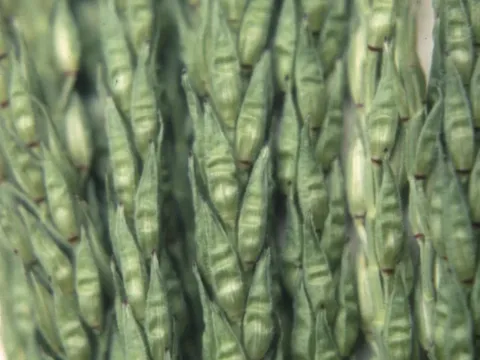
Zea luxurians
Zea luxurians
Zea luxurians is a wild species belonging to the Poaceae family, widely recognized as a close relative of domesticated maize. In research settings, planting usually takes place in late spring, ensuring that soil temperatures are consistently high to support rapid germination.
What the section contains
Zea luxurians
The seeds require a warm, stable environment and must be planted at a consistent depth to ensure uniform emergence. Given its wild nature, the seed coat is durable, which can necessitate careful management of soil moisture to trigger successful sprouting.
Effective spacing is crucial when cultivating Zea luxurians to allow for its vigorous vegetative growth. Overcrowding can lead to excessive competition for light and nutrients, ultimately hindering the development of the reproductive organs.
The growth cycle of this species is notably long, often extending well into the autumn. Planting schedules must be meticulously planned to ensure that the plant completes its life cycle before the onset of detrimental low temperatures.
Strategic sowing allows for the evaluation of phenotypic traits in controlled environments, which is essential for researchers looking to incorporate wild genetic diversity into modern maize breeding programs.
This species thrives in tropical climates, exhibiting a strong preference for high temperatures and abundant moisture. It is highly intolerant of frost, with even brief exposure to freezing conditions resulting in significant tissue damage or death.
Soil quality is paramount; Zea luxurians requires fertile, well-drained loamy soils with a balanced pH. Poor drainage can lead to root asphyxiation, significantly reducing the plant's capacity to uptake necessary nutrients and water.
As a short-day plant, it is sensitive to photoperiodic changes, which dictates its transition from vegetative to reproductive growth. This biological characteristic is a primary factor in determining the geographical suitability for its cultivation.
Adequate fertilization, specifically during the rapid elongation phase of the stem, is vital. The plant develops a robust biomass, necessitating a consistent supply of nitrogen and micronutrients to maintain physiological health.
Light intensity is another critical factor; the species requires full sun exposure throughout the day. Shade-induced stress during the early developmental stages can lead to stunted growth and increased susceptibility to lodging.
Zea luxurians is susceptible to a range of pests and diseases that affect commercial maize. Fungal pathogens, particularly those causing leaf blights and root rots, pose a significant risk, especially in high-humidity environments.
Insects, such as corn borers and various leaf-feeding caterpillars, can cause extensive damage to the stem and foliage. Integrated pest management strategies are often necessary to prevent significant yield losses in experimental plots.
Viral pathogens transmitted by insect vectors represent a complex challenge. Early detection and the control of vector populations are essential steps in maintaining the health and genetic purity of the plant stands.
Nutrient deficiencies or soil-borne pathogens can weaken the root system, making the plants more vulnerable to environmental stresses such as wind or drought. Proper soil management and crop rotation are standard preventive measures.
Monitoring for signs of stress, such as leaf discoloration or abnormal growth patterns, is a daily necessity for agronomists working with this species to ensure a timely response to potential threats.