
Yushania
Yushania
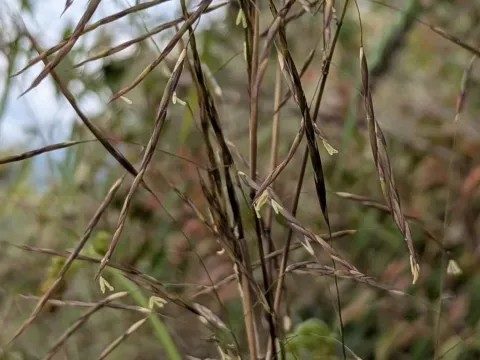
Yushania is a genus of perennial evergreen plants belonging to the Poaceae family. These plants are known as mountain bamboos and are native to the high-altitude regions of Asia, specifically inhabiting the Himalayas and mountainous areas of China and Taiwan.
What the section contains


Yushania
The crop thrives in temperate, humid climates. Unlike tropical bamboo species, Yushania is well-adapted to cooler temperatures and requires partial shade to protect its foliage from intense solar radiation, which can cause significant dehydration.
Soil requirements include well-draining, nutrient-rich substrates with a slightly acidic to neutral pH level. Proper drainage is the most critical factor for successful cultivation, as the roots are highly susceptible to rot when exposed to stagnant water.
Effective agrotechnical practices involve providing consistent moisture and protecting the plants from drying winds. In landscapes, these plants are often utilized as living screens, windbreaks, and erosion control measures on sloped terrain.
Due to their growth habit, Yushania species can reach considerable heights, forming dense thickets. Management often involves regular pruning to maintain the desired density and to encourage healthy new growth during the spring season.
Common plant health issues include fungal infections like rust or powdery mildew, typically appearing when plants are grown in poorly ventilated areas. Maintaining sufficient spacing between specimens is a primary cultural control method.
Spider mites are the most frequent pest, especially during dry spells or in low-humidity environments. These mites cause stippling on the leaves, which can eventually lead to leaf drop if not managed promptly with appropriate acaricides.
Aphids and scale insects may also infest the stems and undersides of leaves, weakening the plant by extracting sap. Integrated pest management, involving the use of horticultural oils or soaps, is effective for small-scale infestations.
Root-knot nematodes can occasionally affect the root system, particularly in potted plants or areas with compromised soil sanitation. Utilizing high-quality, sterile potting mixes is essential for preventing these soil-borne threats.
Vigilance and early intervention are key to preserving the health of Yushania. Regular monitoring for signs of stress, such as yellowing or wilting, allows for quick adjustments to irrigation or the application of corrective treatments.