
Yellow millet
Panicum gilvum
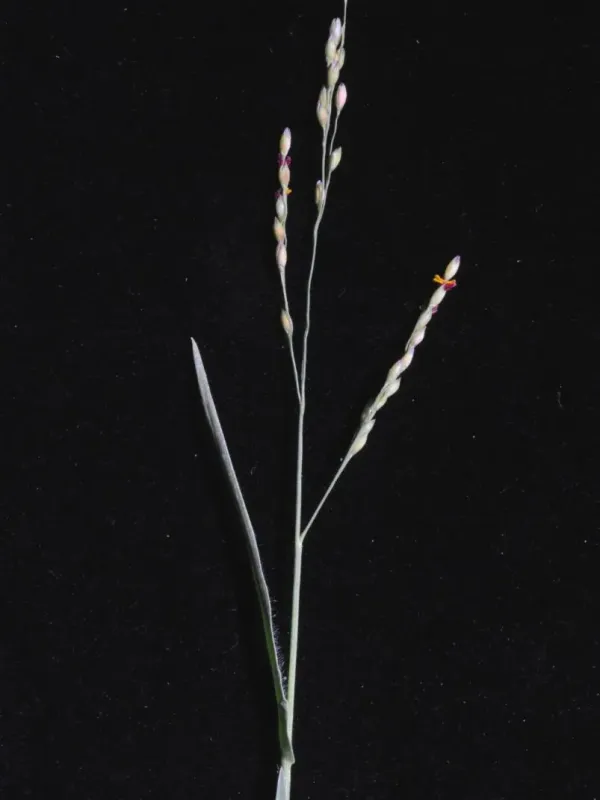
Description
Sowing dates
Yellow millet requires well-warmed soil for successful germination, typically when temperatures at a depth of 5-8 cm reach 12–15°C. Sowing too early in cold soil can lead to stunted growth and increased susceptibility to fungal diseases.
The crop is usually sown using a standard grain drill at a row spacing of 15 cm. For seed production, wider row spacing is preferred to provide each plant with adequate space for tillering and canopy development.
Seeds should be planted at a depth of 3 to 5 cm. This ensures the seeds reach moisture-rich soil levels while allowing the seedlings to emerge efficiently without exhausting their initial nutrient reserves.
Post-sowing rolling is a critical practice to improve soil-to-seed contact. This technical step enhances capillary action, drawing moisture to the seed and ensuring uniform germination across the entire field.
The seeding rate must be optimized based on soil fertility and regional climate patterns. Correct density is essential to balance competition for resources and maximize the yield potential of each plant.
Growing requirements
As a member of the Poaceae family, yellow millet is a heat-loving crop. It thrives in regions with long, sunny days and high summer temperatures, which are essential for the maturation of the grain.
This crop is highly valued for its drought tolerance, making it an excellent choice for semi-arid areas. It can efficiently manage water resources, often outperforming other cereals in low-rainfall environments.
Yellow millet prefers fertile chernozem or chestnut soils with a neutral or slightly alkaline pH. Avoid heavy clay or waterlogged soils, as they impede root aeration and increase the risk of root rot.
Adequate levels of nitrogen and phosphorus during the early tillering stage are vital for strong vegetative growth. Applying fertilizers based on soil testing ensures the plants reach their full production capacity.
During the grain-filling phase, the crop has an increased demand for moisture. While drought-resistant, consistent rainfall or controlled irrigation during this critical window significantly boosts the final quality and weight of the grain.
Yield
The average yield for yellow millet ranges from 2 to 3.5 tonnes per hectare, depending on local agronomic management. Optimal conditions and high-quality seeds can push these figures even higher.
Yield stability is one of the main advantages of this crop, as it often produces reliable harvests even in years with unpredictable weather. This makes it a popular choice as a contingency crop for replacing failed winter sowings.
Proper weed control is essential for maximizing yield. Competition from weeds during the first month of growth can severely impact the plant's final productivity by depriving it of nutrients and essential soil water.
Effective management includes regular monitoring for nutrient deficiencies and pest pressure. Addressing these issues early allows the plants to dedicate energy to grain development rather than fighting external stressors.
Post-harvest processing is critical for maintaining high grain quality. Drying the harvest to a stable moisture level immediately after gathering is necessary to prevent spoilage and ensure the grain meets market standards.
Main diseases and pests
Smut diseases are among the most significant threats to yellow millet, as they can destroy the inflorescences and drastically reduce yield. Seed treatment with high-quality fungicides is the primary defense method.
Insect pests, such as millet stem flies, can cause damage to young plants. Implementing integrated pest management strategies, including monitoring and timely insecticide application, helps minimize these risks.
Bacterial blight can occur in environments with high humidity and cooler temperatures. This leads to leaf spotting and premature senescence, which reduces the plant's ability to fill the grains properly.
Effective weed management is the first line of defense against both direct competition and secondary disease risks. Keeping the fields clean significantly improves the overall health of the millet crop.
Crop rotation is essential to break the life cycle of soil-borne pathogens. Avoiding continuous cropping of millet on the same land helps maintain lower disease pressure over multiple growing seasons.
Harvesting
Harvesting is typically done when the grain reaches full maturity and moisture content drops to 14–16%. This timing is critical to prevent grain shedding, which can cause significant losses in the field.
Swathing is a common practice to ensure even drying and to mitigate the risks associated with uneven ripening. This method allows the grain to reach optimal moisture levels while still attached to the plant.
Direct combining is possible on clean fields with uniform ripening. However, precise machine settings for drum speed and concave clearance are required to prevent mechanical damage to the delicate grain shells.
After threshing, the grain must be cleaned of weed seeds and chaff to ensure storage safety. Cleaning is a necessary step to prevent moisture pockets that could lead to mold or heating within storage bins.
Field maintenance after harvest, including the removal or incorporation of crop residues, is the final step in the agricultural cycle. Proper residue management helps prepare the soil for the next planting season.