
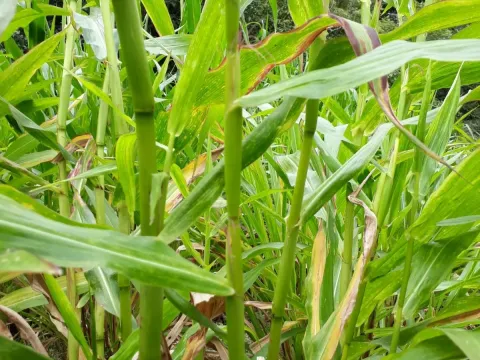
Zea perennis
Zea perennis
Zea perennis is a wild grass species that typically propagates through its rhizomes in natural high-altitude environments.
What the section contains
Zea perennis
When sowing seeds, it is essential to ensure soil temperatures are consistently above 15 degrees Celsius for successful germination.
The seeds have a hard pericarp, so scarification or specific stratification techniques may be required to break dormancy before planting.
Vegetative propagation is the most common method in research settings, involving the division of healthy rhizome clusters during the dormant phase.
Proper spacing is crucial to accommodate the spreading nature of the perennial rhizomes, which can expand significantly over a single season.
Zea perennis belongs to the Poaceae family and is recognized as a rare tetraploid perennial relative of the common maize crop.
The plant originates from the highlands of Jalisco, Mexico, and is well-adapted to cooler temperate climates compared to commercial corn hybrids.
It thrives in well-drained, fertile soil types and requires high levels of solar radiation to maintain its dense biomass production.
Soil moisture levels must be balanced; while the plant is robust, waterlogged conditions during winter can lead to severe rhizome rot.
Its primary agricultural value lies in its genetic potential for cross-breeding, aiming to introduce perennial traits into modern agricultural systems.
The plant shares susceptibility to common maize diseases, such as leaf blight and rusts, which can proliferate in humid conditions.
Insect pests including stem borers and rootworms pose a threat to the vegetative parts of the plant, often causing mechanical damage.
Viral pathogens transmitted by aphids or leafhoppers are significant concerns, especially when grown near commercial maize fields.
Managing pests requires integrated approaches, as excessive chemical use can harm the delicate ecological balance of perennial meadows.
Weed competition during the early establishment phase is a major factor that can suppress the development of young Zea perennis plants.