
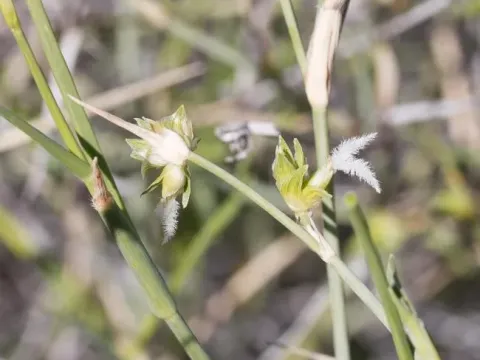
Zygochloa
Zygochloa
Zygochloa (Zygochloa paradoxa) is a perennial grass species belonging to the Poaceae family. It is native to the arid interior of Australia and is commonly known as the sandhill grass due to its ability to colonize shifting sands.
What the section contains

Zygochloa
This plant is characterized by its significant drought tolerance and ability to thrive in extremely poor, sandy soil conditions where other vegetation typically fails.
Its botanical structure includes a deep, robust root system that plays a vital role in stabilizing dune landscapes and preventing soil erosion caused by wind.
Zygochloa requires minimal water to survive, often entering a state of dormancy during extreme droughts, which allows it to preserve resources and recover quickly when rainfall occurs.
While not a primary industrial crop, its cultivation is centered on land reclamation and conservation efforts in desert and semi-desert environments.
The biomass productivity of Zygochloa is highly dependent on seasonal precipitation patterns. In favorable seasons, it produces dense foliage that covers the ground effectively.
In terms of agricultural utility, it serves primarily as an extensive fodder source for livestock in arid regions where grazing options are severely limited.
The nutritional profile of this grass is sufficient for grazing animals, although it is less palatable compared to cultivated forage grasses in more temperate climates.
Productivity is better measured by the plant's ability to cover and stabilize the soil surface, providing long-term benefits to rangeland quality.
Agricultural management of this crop focuses on sustainable harvesting to ensure that the ecological benefits of soil retention are not compromised.
Zygochloa faces few threats from typical agricultural pests, largely due to the abrasive texture of its leaves and the harsh, isolated environments it inhabits.
Diseases are not considered a significant limiting factor for this species, as the arid conditions are generally inhospitable for most common cereal pathogens.
The greatest threat is habitat degradation through overgrazing, which removes the top growth and exposes the roots to mechanical damage and wind exposure.
Soil compaction by livestock or heavy vehicles can also weaken the plant's ability to maintain its deep root network, potentially killing the colony.
Successful management involves strictly regulated grazing periods to allow the plant to regenerate and maintain the stability of the sandy terrain.