
Zoysia
Zoysia
Zoysia is a genus of perennial grasses belonging to the Poaceae family. Originating in Southeast Asia, Australia, and New Zealand, this grass has become a staple for warm-season lawn applications due to its resilience and ability to form a dense, mat-like ground cover.
What the section contains


Zoysia
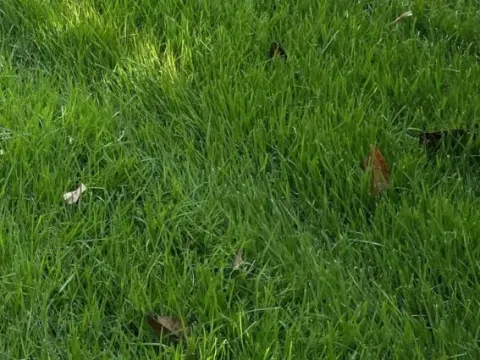
The botanical structure of Zoysia is defined by its extensive creeping rhizomes and stolons. These structures allow the grass to spread horizontally, effectively repairing bare spots and preventing soil erosion. The leaves are typically narrow, firm, and possess a deep green color that persists throughout the warm growing season.
In terms of climate, Zoysia thrives in tropical and subtropical regions. It is highly heat-tolerant and thrives in full sunlight, though it maintains a moderate shade tolerance compared to other warm-season varieties. When temperatures drop significantly, the plant enters dormancy, turning brown until the warmth returns.
The soil requirements for Zoysia are quite flexible; it adapts well to a wide range of soil types, including sandy and clay-based soils, provided there is adequate drainage. It performs optimally when the soil pH is between 6.0 and 7.5, demonstrating excellent tolerance to saline soil conditions.
The primary economic value of Zoysia lies in its low-maintenance nature. It is widely used for high-traffic areas such as golf courses, residential lawns, and commercial landscapes. Its slow vertical growth rate significantly reduces the mowing frequency, making it an environmentally and economically sustainable choice.
Key diseases affecting Zoysia include Large Patch (caused by Rhizoctonia solani), which appears as large orange or brown patches during spring and autumn. Proper nitrogen management and moisture control are essential to prevent the spread of this fungal pathogen.
Common pests include white grubs (the larvae of beetles) that feed on the root system, causing the grass to lose its anchor and die. Furthermore, sod webworms and billbugs can cause localized damage, requiring timely identification and targeted integrated pest management strategies.