
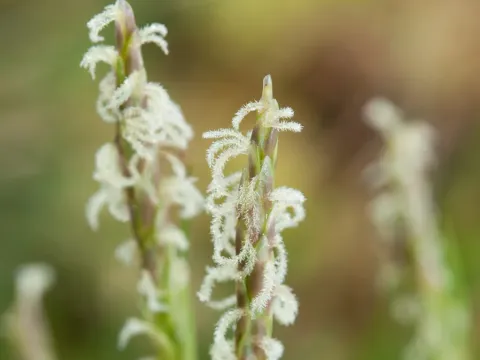
Zoysia
Zoysia Willd.
Zoysia seeding is performed in late spring or early summer once the soil temperature consistently reaches +20...+25°C. Providing sufficient soil moisture is crucial, as seeds of this grass species have a long germination period.
What the section contains
 Chinese Zoysia
Zoysia sinica Hance
Chinese Zoysia
Zoysia sinica Hance
 Hybrid Zoysia
hybrids between Zoysia japonica Steud. and Zoysia matrella (L.) Merr.
Hybrids between Zoysia sinica and Zoysia matrella
Hybrids between Zoysia sinica and Zoysia matrella
Hybrids of Zoysia japonica and Zoysia sinica
Hybrids between Zoysia japonica and Zoysia sinica
Hybrid Zoysia
hybrids between Zoysia japonica Steud. and Zoysia matrella (L.) Merr.
Hybrids between Zoysia sinica and Zoysia matrella
Hybrids between Zoysia sinica and Zoysia matrella
Hybrids of Zoysia japonica and Zoysia sinica
Hybrids between Zoysia japonica and Zoysia sinica
 Japanese lawngrass
Zoysia japonica x Zoysia tenuifolia
Japanese lawngrass
Zoysia japonica x Zoysia tenuifolia
 Mascarene grass
Zoysia tenuifolia Willd. ex Thiele
Mascarene grass
Zoysia tenuifolia Willd. ex Thiele
 Prickly Couch
Zoysia macrantha Desv.
Prickly Couch
Zoysia macrantha Desv.
 Zoysia hybrid
Zoysia japonica
Zoysia japonica Steud.
Zoysia hybrid
Zoysia hybrid
Zoysia japonica
Zoysia japonica Steud.
 Zoysia matrella
 (L.) Merr.
Zoysia matrella
Zoysia matrella (L.) Merr.
Zoysia
An alternative method of establishment is vegetative propagation, which involves planting sod plugs or stolons with roots. This approach is preferred for rapidly achieving a dense coverage on large areas.
When using hydroseeding techniques, seeds are mixed with mulch and fertilizers, which significantly increases establishment success on slopes and challenging landscapes. This technology ensures an even distribution of planting material.
The planting area must be thoroughly prepared by tilling the soil and removing weeds, as young Zoysia seedlings develop relatively slowly and may be suppressed by aggressive invasive plants.
For optimal germination, seeds should not be buried deeper than 0.5–1 cm. Surface placement requires constant monitoring of the topsoil moisture until the first complete root system is established.
Zoysia belongs to the Poaceae family and is a warm-season perennial grass. It is ideally suited for regions with hot summers, exhibiting high tolerance to drought and water scarcity.
The crop prefers locations with full sun exposure. In conditions of heavy shade, Zoysia growth rates significantly decline, and the turf loses its characteristic density and vibrant color.
It is relatively undemanding regarding soil conditions, although it performs best in loamy and sandy soils with moderate acidity. Good drainage is a mandatory requirement to prevent root rot.
During the active growing season, the crop requires regular but not excessive watering. Zoysia's root system penetrates deep into the soil, allowing it to withstand short periods without irrigation.
To maintain turf health, it is recommended to apply complex nitrogen fertilizers in mid-summer. This stimulates the growth of stolons, which allow the turf to quickly repair any bare patches.
The primary threats to Zoysia include fungal diseases such as brown patch and various leaf spot conditions, which flourish in high-humidity environments and areas with poor soil aeration.
Among pests, white grubs and wireworms cause the most significant damage by feeding on the root system. In warmer climates, nematode infestations may occur, necessitating preventative treatments.
Key issues include:
- Rust infection in dense, stagnant turf stands.
- Root zone damage caused by soil-dwelling pests.
- Growth retardation due to soil compaction.
- Fungal infections triggered by water stagnation in low-lying areas.
- Winter kill during periods of extreme cold with no snow cover.
Disease prevention is achieved through regular mowing, timely lawn aeration, and the removal of excessive thatch, which contributes to the accumulation of pathogenic microflora.
When infection spots are identified, it is necessary to apply broad-spectrum fungicides and adjust the irrigation schedule to prevent the foliage from remaining wet during evening and nighttime hours.