
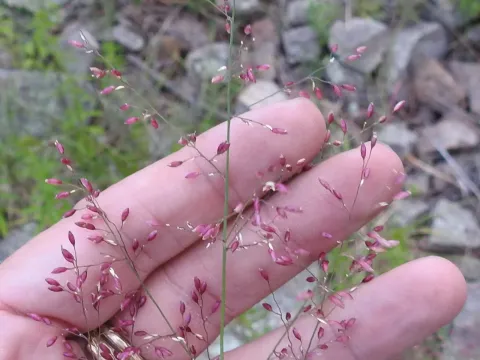
Zuloagaea
Zuloagaea
Zuloagaea is a genus of grasses belonging to the Poaceae family. Historically, species within this genus were often grouped under the Panicum genus, but morphological and genetic reassessments have established Zuloagaea as a distinct botanical entity, commonly found in tropical and subtropical regions.
What the section contains

Zuloagaea
The sowing process for Zuloagaea should be initiated when the soil temperatures reach a stable range of 15 to 20 degrees Celsius. This timing ensures that the seeds have sufficient thermal energy for rapid germination, reducing the duration of vulnerability to environmental stressors.
Seeds should be placed at a depth of 2 to 3 centimeters in well-prepared seedbeds. Shallow planting is crucial due to the size of the seeds, as excessive soil cover can deplete the energy reserves of the seedling before it emerges above the surface.
Row spacing is typically set between 30 and 50 centimeters, depending on the intended use—whether for pasture or biomass production. Wide rows facilitate better light penetration and air circulation, which are vital for the health of the plant canopy.
Post-seeding compaction is highly recommended to improve soil-to-seed contact. This practice promotes efficient moisture uptake via capillary action, ensuring that even in drier conditions, the crop maintains a consistent germination rate across the field.
Zuloagaea thrives in well-drained soils, showing a preference for sandy loams and loamy substrates. It is known for its ability to grow in environments with varying levels of fertility, although it responds exceptionally well to nutrient-rich soils.
This grass is recognized for its relative drought tolerance, which is an advantageous trait in climates subject to irregular rainfall patterns. Once established, its root system can tap into deeper soil layers to access moisture during periods of limited surface water.
Optimal growth is observed in sunny locations with high solar radiation levels. As a C4 grass, it possesses an efficient photosynthetic pathway, allowing it to maintain high rates of carbon fixation during hot, sunny summer months.
Regarding soil acidity, Zuloagaea prefers a neutral to slightly acidic pH range. While it can withstand a degree of variance, extremely alkaline or highly acidic conditions may necessitate soil amendments to ensure optimal micronutrient availability.
Nitrogen management is key to maximizing productivity. Applications of nitrogen-based fertilizers during the active growth phase significantly boost biomass production and improve the overall forage quality for livestock use.
The primary threats to Zuloagaea include common fungal pathogens, such as leaf spot diseases and rusts, which tend to flourish under high-humidity conditions. Proper field sanitation is the first line of defense against these infections.
Insect pests, including various species of stem borers and aphids, can cause significant damage if populations are not monitored. These pests weaken the plants by feeding on plant sap or boring into the stalks, thereby reducing yields.
Effective management strategies emphasize integrated pest management (IPM). This includes crop rotation, the use of resistant varieties, and timely scouting to identify outbreaks before they reach critical levels that require intervention.
Weed competition is a significant concern during the early establishment phase of the crop. Because Zuloagaea initially develops slowly, intensive weed management during the first few weeks is essential to ensure the crop establishes dominance in the field.
Maintaining optimal plant density helps in creating a robust crop that can naturally outcompete weeds. Furthermore, balanced fertilization contributes to plant vigor, making the grass more resilient to both mechanical injury and biological attacks.