
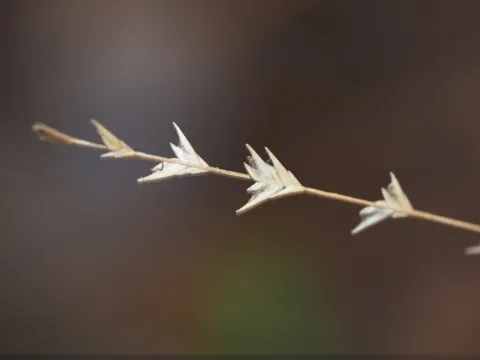
Uniola sessiliflora
Uniola sessiliflora
Uniola sessiliflora is a perennial grass species that requires specific conditions to establish a healthy stand. Seed quality and proper soil preparation are essential for achieving optimal germination rates.
What the section contains
Uniola sessiliflora
The optimal sowing time is during the spring when soil temperatures reach the required minimum for seed emergence. Shallow planting depth is recommended to prevent seed burial, which could hinder sprout development.
Adequate soil moisture must be maintained during the initial establishment phase. Consistent watering supports the root system formation, which is vital for the plant's long-term endurance in the field.
Density management is crucial to avoid overcrowding, as this species tends to form dense tufts. Proper spacing ensures that each plant has sufficient access to sunlight and soil nutrients.
Regular monitoring of seedling development allows for early interventions, such as thinning or supplemental irrigation, which are necessary to ensure a uniform field structure.
This grass species thrives in well-drained, fertile soils with a neutral pH level. It shows high adaptability to different soil structures, including sandy loams, provided they have good drainage.
Solar radiation is a significant factor for Uniola sessiliflora, which prefers sunny locations. While it can survive in partial shade, full sun exposure results in more robust vegetative growth.
The plant is relatively drought-tolerant but reaches its maximum productivity under conditions of regular and consistent moisture. Excessive soil water should be avoided to prevent root rot.
The climate requirements include a warm growing season. It performs best in regions with mild winters and warm summers, as these conditions match its native ecological niche.
Nutrient management through the application of nitrogen-based fertilizers in the early growing season significantly enhances the biomass production capacity of the crop.
Yield potential of Uniola sessiliflora is high when managed under intensive agricultural practices. The crop allows for multiple harvests per season if moisture and nutrients are optimized.
As a forage crop, the quality of the harvested biomass is high if cut during the appropriate phenological stage. Early harvesting prevents the plants from lignifying and losing their nutritional value.
The total yield is also influenced by the frequency of cuts and the height of the stubble left behind. Leaving enough residue promotes quick regeneration of the plant.
In addition to biomass, seed production can be a secondary output. Proper timing of the harvest is critical to reduce seed shattering losses in the field.
Data suggests that systematic field management, including weed control, contributes directly to higher yield stability across several growing seasons.
Common threats to this grass include fungal pathogens like rusts and leaf spots, particularly in humid climates. Good field ventilation is an effective preventive measure.
Insects such as grass aphids can cause significant damage to young shoots. Farmers should perform regular inspections to identify infestations before they reach economic damage thresholds.
Prevention is key, involving crop rotation and the removal of agricultural residues that might harbor disease spores throughout the off-season.
Integrated pest management strategies are recommended, combining biological controls with selective treatments to protect the crop while minimizing chemical usage.
Monitoring the soil for moisture levels also helps in preventing soil-borne pathogens, as overly wet conditions often exacerbate disease prevalence in grass species.
Harvesting for forage is best timed at the onset of the heading phase. This specific window ensures that the plant has stored enough energy for regrowth while maintaining high protein content.
Drying the harvested biomass to the correct moisture level is critical to prevent spoilage and ensure the long-term quality of the forage for livestock feeding.
For seed harvesting, crops should be monitored closely as they approach maturity. Harvesting during the early morning hours can help reduce shattering due to dew moisture.
Mechanical harvesting equipment should be calibrated to maintain the appropriate stubble height, which protects the plant crown and ensures success in subsequent cycles.
Storage areas must be kept dry and well-ventilated to protect the harvested material from mold and fungal growth, preserving its nutritional integrity throughout the year.