
Tumbleweed grass
Panicum volutans
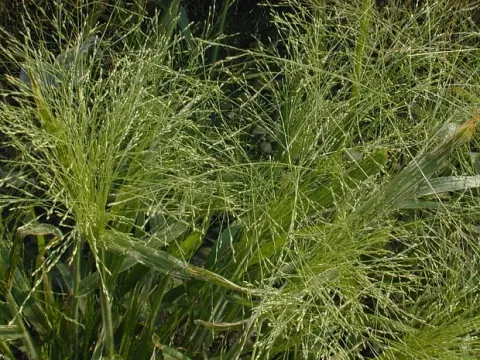
Tumbleweed grass (Panicum volutans) is a member of the Poaceae family. It is an annual grass characterized by its unique life cycle, where the mature inflorescence detaches from the roots to disperse seeds by rolling across arid landscapes.
What the section contains
Tumbleweed grass
The species is native to dry environments, exhibiting remarkable adaptations to desert-like conditions. It thrives in high-heat zones where other crops struggle, making it a subject of interest for agriculture in water-scarce regions.
The ideal soil conditions for this crop include light, sandy, or well-drained loamy textures. It possesses a high tolerance for nutrient-poor soils but is strictly intolerant of waterlogging, which often results in root rot and crop failure.
Solar radiation plays a crucial role in the development of Panicum volutans. It requires full sun exposure throughout its life cycle, as photosynthetic efficiency is directly linked to the intensity and duration of sunlight.
Agronomic management focuses on preventing soil compaction and ensuring adequate spacing between plants. Because it is a drought-adapted grass, artificial irrigation is rarely needed and can often be detrimental if applied excessively.
The primary threats to Panicum volutans include various fungal pathogens that flourish if the environment becomes unexpectedly humid. Leaf rust and smut are the most common infections that can compromise the structural integrity of the plant.
Insect pests such as grasshoppers and aphids represent a significant challenge during the vegetative growth phase. These insects target the lush green parts of the plant, often leading to stunted growth and reduced seed yield.
Weed management is essential during the early weeks of planting. Due to the slow establishment phase of this grass, mechanical weeding or selective herbicide application is necessary to prevent competition for limited soil nutrients.
Soil-borne pathogens can persist in fields where this crop is grown repeatedly. Implementing a proper crop rotation system is the most effective biological defense against the buildup of nematode populations and soil fungi.
Harvest management also serves as a prophylactic measure. Collecting the plants before they reach the stage of full senescence ensures that pathogens do not survive on the debris, reducing the risk of recurrence in the following season.