
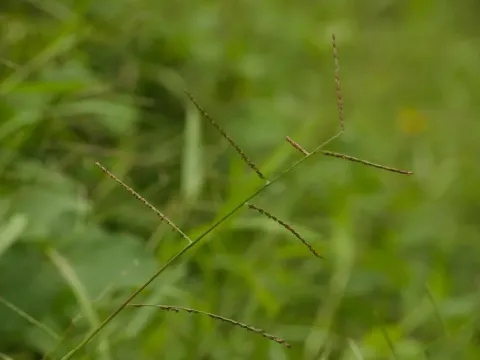
Urochloa arrecta
Urochloa arrecta
Urochloa arrecta is a robust perennial grass species belonging to the Poaceae family. Originating from Africa, it has become a staple forage crop in many tropical and subtropical areas, valued for its high biomass production and resilience in varied environments.
What the section contains
Urochloa arrecta
The crop thrives in well-drained, fertile soils but is noted for its impressive tolerance to waterlogged conditions, making it an excellent choice for low-lying pastures that experience seasonal flooding. It adapts well to different soil textures provided there is adequate moisture during the establishment phase.
Climate requirements include high solar radiation and consistently warm temperatures. Growth slows significantly below 20°C, and the plant is susceptible to cold damage; therefore, it is strictly unsuitable for regions where frost occurs, even if only occasionally.
Agronomic management relies heavily on nitrogen application to sustain high-yield potential. Periodic maintenance involves ensuring the soil nutrient profile is balanced, which promotes rapid regrowth and helps the stand outcompete weeds in early stages.
Economically, this species is primarily used for grazing livestock and silage production. It is highly palatable, which contributes to better weight gain in cattle compared to other native tropical pasture grasses, making it a valuable asset for commercial farming.
Major threats include various fungal diseases that thrive in the humid, warm conditions where this grass is grown. Foliar blights and rusts are common if the sward density is too high or if drainage is insufficient during the rainy season.
Pest pressure is mainly attributed to soil-dwelling insects and sucking pests such as spittlebugs. These insects can significantly reduce the vitality of the plant by feeding on roots or sap, leading to yellowing and decreased fodder quality.
To mitigate these risks, farmers should implement rotational grazing strategies. Preventing overgrazing is crucial, as it protects the crown of the plant and allows for healthier regrowth cycles, which inherently reduces the plant's susceptibility to diseases.
Regular monitoring of the pasture is essential during the high-growth season. Promptly identifying the onset of pest infestations or fungal outbreaks allows for targeted interventions, reducing the need for extensive chemical treatments.
In cases of severe infection, managing the cutting height can help remove the affected foliage, allowing the plant to push out fresh, healthy shoots. This mechanical approach is often sufficient to maintain the long-term health of the pasture stand.