
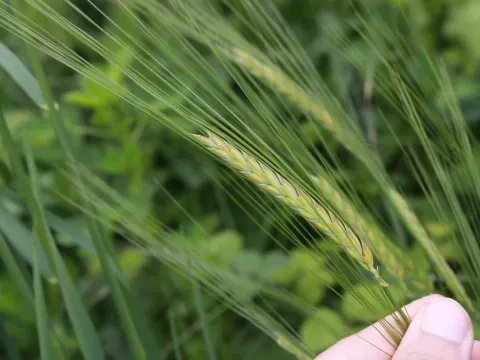
Two-row barley
Hordeum distichon
Two-row barley, botanically known as Hordeum distichon and belonging to the Poaceae family, is typically grown as a spring cereal. Early sowing is critical to allow the crop to establish a robust root system before the onset of summer heat and to maximize utilization of spring soil moisture.
What the section contains
Two-row barley
Depending on the latitude, seeding is usually performed as soon as the soil is dry enough to support heavy equipment. Proper depth placement is essential, typically ranging from 3 to 5 centimeters, to ensure uniform emergence across the field and optimal stand density for high yields.
This crop thrives in temperate climates with well-distributed rainfall. It prefers deep, well-drained loamy soils with a near-neutral pH balance. Excessive soil acidity or waterlogged conditions are detrimental and significantly reduce both yield potential and grain quality.
Hordeum distichon is particularly demanding regarding fertility, requiring balanced nitrogen, phosphorus, and potassium application. Proper nutrition management is essential not only for biomass accumulation but also for maintaining the protein levels required for specific end-uses like malting.
Sunlight exposure is a major factor during the grain-filling stage, as it influences the size and uniformity of the kernels. Farmers often use integrated crop management systems to adjust inputs based on soil testing results to achieve the best possible grain development.
Yield performance of two-row barley varies widely depending on the variety, soil fertility, and climatic conditions during the growing season. In optimal conditions, yields typically range from 5 to 8 tonnes per hectare, depending on the intensity of the agronomic management applied.
Advancements in genetic breeding have led to varieties with higher straw strength, reducing lodging risks under high-input conditions. Consistent yield improvement is achieved by combining these high-yielding genetics with modern precision farming techniques and nutrient management.
The crop is susceptible to several fungal diseases, including powdery mildew, net blotch, and various rusts. Integrated pest management, involving the use of disease-resistant cultivars and timely application of fungicides, is standard practice to maintain plant health and grain quality.
Insect pests, such as aphids, cereal leaf beetles, and wireworms, can impact plant vigor and yield. Monitoring pest populations throughout the growing season allows for targeted control measures that minimize chemical usage while protecting the crop from significant economic losses.
Harvesting is conducted when the grain reaches full maturity and moisture content drops below 16%. Modern combine harvesters are optimized to minimize grain damage, which is especially vital for the malting industry where kernel integrity is of paramount importance.
Timely harvest is necessary to prevent weather-related issues such as head sprouting or pre-harvest grain drop. Proper storage practices, including aeration and moisture control in silos, are required immediately after harvest to preserve the quality and ensure marketability of the product.