
Urochloa brachyura
Urochloa brachyura
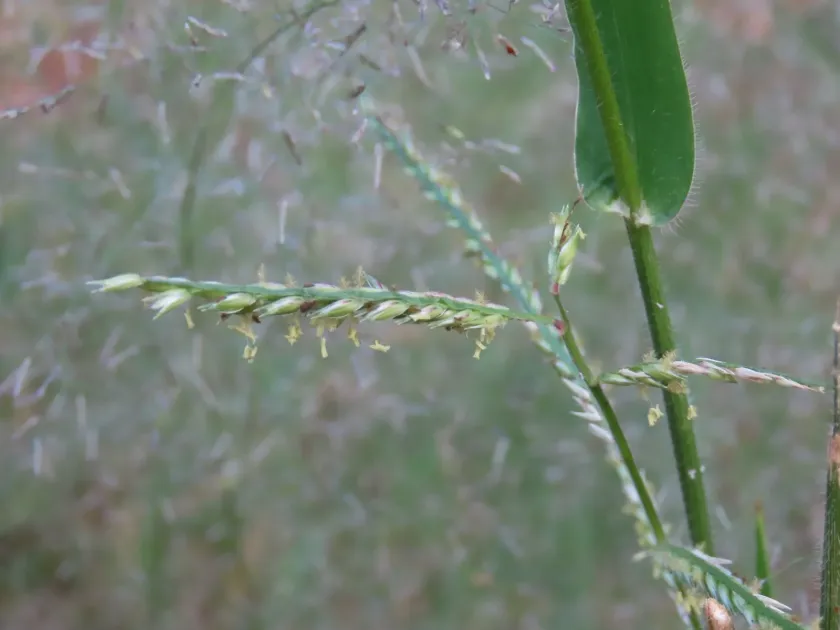
Description
Sowing dates
Sowing Urochloa brachyura is optimally timed for the onset of the rainy season, ensuring the soil remains moist enough for uniform germination. Establishing the crop during a period of steady rainfall significantly boosts the early vigor of the seedlings.
Seeds should be planted at a shallow depth of 1 to 2 centimeters to prevent exhaustion of energy reserves during emergence. On larger agricultural scales, mechanized row planting is used to ensure even spacing and maximize the efficiency of subsequent field operations.
Seed quality management is essential; using calibrated seeds with high germination energy is a critical prerequisite for a successful crop cycle. Testing for seed viability prior to sowing can help adjust seeding rates to achieve the desired stand density.
Row spacing is generally set between 20 and 30 centimeters, which allows for optimal light interception and airflow within the stand. Proper spacing reduces the likelihood of intra-species competition, which is vital for the development of a healthy root system.
Post-sowing compaction of the soil is recommended to improve capillary moisture movement toward the seeds. This step is particularly effective in sandy soils, ensuring the seed is firmly seated and less prone to displacement by heavy rainfall or strong winds.
Growing requirements
As a member of the Poaceae family, Urochloa brachyura is well-adapted to tropical and subtropical climates, requiring consistent temperatures and long daylight hours. It thrives in environments where frost is absent, as cold exposure can severely damage vegetative tissue.
The plant prefers well-drained soils, ranging from sandy loams to heavier clays, provided that drainage is adequate. Waterlogging is a significant stress factor for this species, as it limits oxygen availability to the roots and inhibits plant growth.
Urochloa brachyura possesses a robust root system capable of tapping into deep soil moisture, making it moderately drought-tolerant. However, for peak biomass production, maintaining adequate soil moisture levels is necessary throughout the active growth phase.
Optimal photosynthetic efficiency occurs when temperatures remain consistently between 25 and 30 degrees Celsius. Extreme heat or fluctuations can cause the plant to enter a temporary state of quiescence, slowing down the rate of biomass accumulation.
Nutrient management focuses on nitrogen, which is the primary driver of leaf expansion and structural growth. Integrating phosphorus and potassium levels based on routine soil testing ensures the plants remain vigorous and resilient against external stresses.
Yield
The yield potential of Urochloa brachyura is a function of management intensity and the frequency of utilization. Under ideal conditions with proper fertilization, the crop can support multiple harvests or grazing rotations within a single season.
Depending on the region and the level of inputs, yields typically range from 10 to 20 tons of green matter per hectare. Implementing advanced irrigation and fertilizer schedules can significantly increase these figures, pushing the crop toward its genetic potential.
Persistence of the stand depends on avoiding overgrazing, which can deplete root reserves and reduce the recovery speed of the grass. A well-managed rotation schedule allows the plants sufficient recovery time, ensuring consistent yield over several consecutive years.
Regular monitoring of biomass accumulation and nutritional quality helps in timing the harvest. Harvesting at the late vegetative or early heading stage ensures a balanced profile of crude protein and digestible fiber, which is crucial for livestock performance.
Strategic field management, including resting periods for pastures, is essential for maintaining the productivity of the soil. Sustainable usage ensures that the land remains fertile and productive for future planting cycles, preventing soil degradation.
Main diseases and pests
Fungal diseases, particularly various leaf spot pathogens, pose the most significant threat to Urochloa brachyura in humid environments. These pathogens reduce the photosynthetic area, causing stunted growth and a decrease in total forage quality.
Insect pests such as caterpillars and sap-sucking bugs are known to target this grass species. Identifying these infestations early is critical for applying control measures and preventing the rapid spread of damage throughout the field.
Chemical control must be applied in accordance with strict agricultural safety regulations, focusing on targeted interventions that minimize impact on beneficial organisms. Integrated pest management (IPM) strategies are highly recommended to promote long-term stability.
Maintaining a high level of plant vigor through balanced nutrition and proper moisture management acts as the first line of defense against pests and diseases. Healthy stands are naturally more resistant to infection and recover faster after minor pest damage.
- Rust diseases during periods of high humidity.
- Nematode pressure in nutrient-depleted soil.
- Locust and grasshopper infestations.
Harvesting
Harvesting Urochloa brachyura is performed either through controlled grazing or mechanical mowing for silage and haylage production. The target stage for harvesting is when the plant reaches its peak nutritional value, just before the seed heads fully emerge.
Mechanical mowing should be performed at a height of at least 5 to 7 centimeters to protect the plant's growing points. This ensures the grass remains capable of rapid regrowth, providing a steady supply of fodder throughout the season.
For silage production, the harvested material should be chopped to a consistent length and packed tightly in silos to ensure an anaerobic environment. This process preserves the nutrients and prevents spoilage by undesired microbial activity.
If producing hay, the grass should be spread to dry quickly while minimizing prolonged direct exposure to intense ultraviolet light, which can degrade vitamins. Proper drying reduces the risk of mold growth during storage.
Efficient logistics during the harvesting window prevent biomass loss and ensure that the stored feed retains its palatability for livestock. A systematic approach to harvest ensures a high-quality food source for the animals throughout the year.