
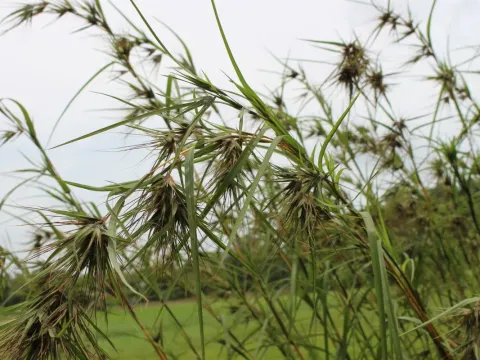
Themeda tremula
Themeda tremula
Themeda tremula is a perennial herbaceous plant belonging to the grass family (Poaceae). It is native to the Indian subcontinent and parts of Southeast Asia, where it plays a significant role in the local ecology of grasslands and savanna biomes.
What the section contains
Themeda tremula
The species thrives in warm, tropical climates, showing high tolerance to varying levels of precipitation. It is particularly well-adapted to environments that experience distinct wet and dry seasons, often dominating the landscape in open, sunny habitats.
Regarding soil requirements, Themeda tremula prefers well-drained loamy or sandy soils. It does not tolerate waterlogging, meaning that high-quality drainage is essential for healthy development and high biomass yield in agricultural settings.
Botanically, the plant is characterized by its distinct inflorescence, which consists of drooping, delicate spikes that sway in the wind, providing the species with its descriptive common name. It forms dense clumps that can expand over time through its root system.
In terms of agricultural use, this species is primarily utilized for grazing and forage. It provides a reliable source of green fodder during the growth phases, contributing to the overall productivity of pastoral lands in its home range.
Common diseases affecting this species include fungal infections such as rusts, which can become prevalent under humid conditions. These pathogens can affect leaf quality and reduce the overall photosynthetic capacity of the plants.
Pests that frequently target the grass include aphids and leafhoppers. These insects feed on plant sap, which can stunt growth and serve as a vector for various viral diseases that weaken the plant structure over time.
Overgrazing represents a major threat to the long-term sustainability of Themeda tremula stands. Excessive pressure from livestock prevents the plants from reaching maturity and limits their ability to store energy reserves in their root structures.
Management of these threats often involves rotational grazing strategies to allow for recovery and soil health maintenance. Using balanced stocking rates is considered the most effective way to protect the crop without excessive chemical inputs.
Wildfires in the dry season pose an additional risk. While some grasses are fire-adapted, intense or overly frequent fires can deplete the seed bank and destroy surface biomass, hindering the regeneration of the pasture for the following season.