
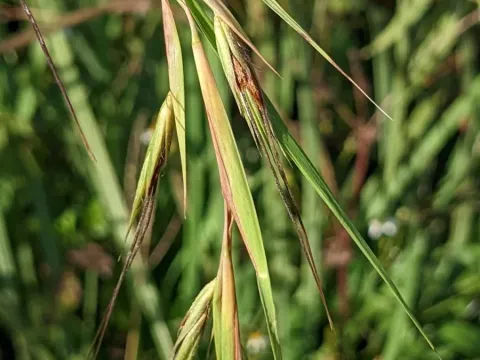
Themeda caudata
Themeda caudata
Themeda caudata is a robust perennial grass species belonging to the Poaceae family. Native to tropical and subtropical regions, particularly across parts of Asia, it is well-adapted to savanna-like landscapes and open, well-lit environments where it can thrive in natural clusters.
What the section contains
Themeda caudata
The plant features an extensive and deep root system, which is crucial for its survival during periods of irregular rainfall. The stalks are typically erect and can grow to considerable heights, forming dense tufts that help stabilize the soil structure and prevent surface erosion.
This crop requires significant exposure to sunlight and thrives best in warm, stable climates. It prefers well-drained loamy or sandy soil types, as the plant is highly sensitive to waterlogging, which can cause root decay and negatively affect its overall development.
In terms of agricultural management, Themeda caudata demonstrates remarkable adaptability. While it grows best in consistent temperatures, it is hardy enough to endure moderate droughts, making it a reliable choice for areas with distinct wet and dry seasons.
Agronomic practices for this crop focus on initial establishment, ensuring the plants receive adequate nutrition to develop their root structure. Once established, the grass requires relatively low maintenance compared to other intensive agricultural crops, provided the soil drainage is maintained.
The primary agricultural utility of Themeda caudata is as a source of forage for livestock. It provides a reliable supply of green biomass that is palatable and nutritious, particularly during the early growth stages, making it a staple for extensive grazing systems.
Beyond its use as fodder, the plant serves a critical role in environmental engineering and land rehabilitation. Its dense root system and growth habit make it an excellent choice for stabilizing slopes and protecting vulnerable soil surfaces from heavy tropical rains.
In various traditional cultures, the sturdy and flexible stalks of this grass are harvested for artisanal crafts, such as weaving baskets, floor mats, and protective covers. This secondary utility provides supplementary income opportunities for rural farming communities.
Researchers are also investigating the potential of Themeda caudata as a source of biomass for renewable energy and cellulose production. Its unique fiber structure holds promise for industrial applications in paper making and the manufacturing of eco-friendly composite materials.
The ecological benefit of maintaining these grass fields is significant. It supports local biodiversity by providing habitat for beneficial insects and small fauna, creating a balanced ecosystem that helps improve the overall soil health and moisture retention in the local area.
The primary threats to Themeda caudata fields are fungal pathogens, which proliferate in humid and stagnant conditions. Rust and leaf spot diseases are common concerns that can reduce the quality of the biomass and hinder the photosynthetic capacity of the plant.
Insects, particularly grass aphids and certain types of soil-dwelling larvae, represent the most frequent pest threats. These pests target both the foliage and the root system, which can severely weaken the plant and reduce its yield if not managed through timely interventions.
Effective pest management involves integrated strategies, such as maintaining optimal planting density to ensure proper air circulation. Reducing humidity between plants can significantly lower the risk of fungal outbreaks, promoting a healthier crop stand.
Nutrient management is also a critical factor in maintaining plant health. An imbalance in fertilization, particularly an excess of nitrogen, can stimulate weak vegetative growth that is more susceptible to both insect attacks and disease infections throughout the growing season.
Monitoring the crop for signs of stress is essential for long-term productivity. Implementing regular field scouting and removing infected plant material early in the season can prevent the spread of diseases and maintain the health of the entire field population.