
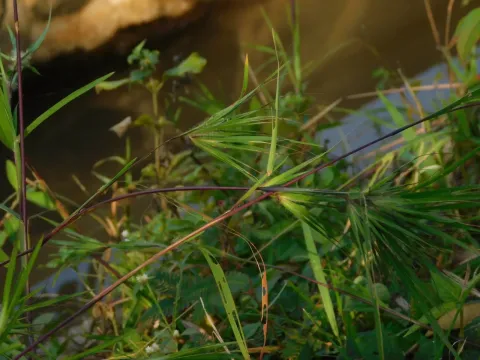
Themeda arguens
Themeda arguens
Themeda arguens is a perennial grass species of the Poaceae family, known for its significant role in tropical grassland ecosystems.
What the section contains
Themeda arguens
The biological cycle of this plant is closely linked to monsoon rains, with germination occurring naturally when soil moisture is sufficient.
For agricultural purposes, planting should coincide with the beginning of the wet season to allow the root system to establish before dry spells.
Temperatures between +25°C and +32°C are ideal for rapid emergence and development of seedlings in field conditions.
Seeds should be sown shallowly, as they require light and direct contact with moist soil to break dormancy and sprout successfully.
This crop is highly adaptable to various soil types, proving its resilience even on poor or degraded lands where other crops fail.
Sunlight is a critical factor for Themeda arguens; it thrives in open areas and does not tolerate competition from taller vegetation.
The plant demonstrates drought tolerance, but steady precipitation during the growing season is essential for achieving high biomass production.
A soil pH ranging from 6.0 to 7.5 provides the best conditions for nutrient uptake and overall healthy development of the plant.
Well-drained soil is preferred, as constant waterlogging can lead to root rot and decrease the overall vigor of the perennial grass.
The biomass yield is significantly improved through strategic nitrogen fertilization and proper management of grazing intervals.
In well-maintained pastures, this grass can provide multiple harvests throughout the growing season if managed correctly.
High forage quality is achieved by harvesting during the vegetative stage, before the development of fibrous stalks and seed heads.
Yield stability depends on the intensity of the cutting regime, which should allow for enough regrowth period between harvests.
- Productivity is greatest in fertile tropical soils with adequate rainfall.
- The plant is suitable for both fresh grazing and hay production for fodder.
Themeda arguens is generally resistant to many common grass pathogens due to its natural chemical defense mechanisms.
Potential threats include soil-dwelling pests like grubs that can impact seedling survival during the early establishment phase.
In high humidity environments, leaf spot diseases may occur, necessitating preventative measures or the use of mild fungicides.
Overgrazing poses a structural threat to the pasture, as it can damage the crown of the plant and hinder its ability to recover.
Effective weed management during the establishment phase is crucial to ensure that the young grass is not outcompeted by invasive weeds.
The optimal harvest time for hay is during the pre-flowering stage to maximize protein content and improve digestibility for livestock.
Mechanical harvesting using standard farm equipment is efficient, provided that the stubble height is maintained at a reasonable level.
Proper curing of the cut grass is essential to reach a safe moisture level, preventing the risk of combustion or spoilage in storage.
Seed harvesting requires careful timing; the inflorescences should be collected once they show signs of maturity but before they shatter.
Post-harvest storage should be in a cool, ventilated area to preserve the nutritional value of the forage for later use.