
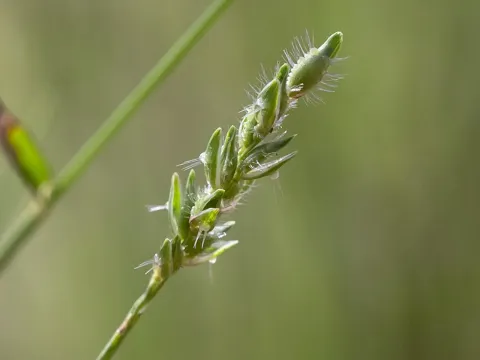
Thyridolepis
Thyridolepis
Thyridolepis, particularly the species Thyridolepis mitchelliana, is a perennial grass that typically germinates following significant rainfall events in its native environment.
What the section contains


Thyridolepis
For cultivation purposes, seeds should be sown into well-prepared soil surfaces during the onset of the wet season to ensure adequate moisture for successful establishment.
Shallow sowing is essential, as the seeds are quite small and require sufficient light exposure to stimulate germination and early seedling development in the field.
Proper spacing is recommended during the sowing process to ensure that each plant has enough room to develop its characteristic tussock or bunch-grass structure.
Early maintenance involves minimizing weed competition, which is critical in the first few weeks to ensure the seedlings can thrive without being crowded out.
Thyridolepis is a member of the Poaceae family, specifically adapted to the harsh, arid and semi-arid landscapes typical of certain regions of Australia.
The grass is highly drought-tolerant, capable of surviving prolonged periods of water scarcity, which makes it an excellent choice for arid rangeland management.
It prefers sandy or loamy-sand soil types that offer excellent drainage, as the plant does not tolerate waterlogged conditions that can cause root decay.
Full solar exposure is a primary requirement for the growth of Thyridolepis, as the plant relies on intense sunlight to maximize photosynthetic efficiency and dry matter production.
While it is adapted to nutrient-poor soils, a stable thermal environment within its preferred range is crucial for achieving consistent biomass accumulation throughout the season.
The biomass yield of Thyridolepis is highly seasonal and fluctuates in direct correlation with annual rainfall patterns, characteristic of arid-zone forage species.
In terms of forage value, the grass provides a reliable source of nutrition for livestock, retaining its edible parts even when it enters a semi-dormant state due to drought.
Grazing management is the primary method of utilization, where the goal is to maintain a healthy stand that can regenerate effectively after being consumed by herbivores.
By implementing strategic rotational grazing, farmers can ensure that the plants have adequate time to recover, thereby sustaining the long-term yield of the pasture.
The productivity per hectare is considered moderate, yet its value lies in its ability to persist where more intensive forage crops would fail to grow.
Overgrazing poses the most significant threat to Thyridolepis, as continuous pressure prevents the plants from replenishing their root reserves after defoliation.
Fungal pathogens may occasionally affect the foliage during unusually wet seasons, although such outbreaks are rare due to the plant's natural adaptation to dry climates.
Insects, particularly locusts and grasshoppers, can cause localized damage to the crop, potentially reducing the available forage mass during active growing periods.
Soil-dwelling larvae can sometimes damage the crown or roots of the plants, leading to weakened stands that are more susceptible to environmental stress.
Effective prevention strategies include monitoring plant health and allowing sufficient rest periods for pastures to prevent the accumulation of pest populations or physical damage.