
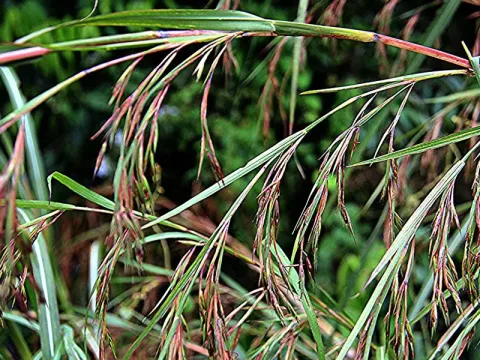
Themeda arundinacea
Themeda arundinacea
Themeda arundinacea is a robust perennial grass belonging to the Poaceae family. Native to tropical and subtropical regions of Asia, it is known for its tall, reed-like structure and high biomass production capacity.
What the section contains
Themeda arundinacea
This species thrives in hot, sunny climates and is highly resilient to prolonged dry spells. Its physiological adaptations allow it to survive in areas where other forage crops might struggle due to limited rainfall.
The plant grows well on a variety of soil types, including sandy and rocky soils, provided that the area has sufficient drainage. It is rarely found in waterlogged conditions, which can lead to root system decay.
In terms of agricultural management, regular maintenance of the soil structure and occasional thinning of dense stands are recommended to ensure optimal growth rates and sustainable yields.
Its primary uses include soil conservation, where its dense root system prevents erosion, and industrial utility as a source of cellulose fibers for paper pulp and building materials.
Like many perennial grasses, Themeda arundinacea is susceptible to various fungal diseases, especially during the humid monsoon season when air circulation is restricted.
Common pests include stem borers and aphids, which feed on the sap and developing seeds, potentially reducing the overall vigour of the stand.
Effective management against threats involves routine field scouting to identify early signs of infestation and managing the density of the plants to promote better airflow.
Avoiding overgrazing or over-harvesting in sensitive periods is crucial to keeping the root systems healthy and resistant to opportunistic pathogens.
While the plant is adapted to fire, uncontrolled burns in an agricultural setting should be avoided to protect the organic matter in the soil and the plant crown.