
Thrasya
Thrasya
Thrasya is a genus of perennial grasses belonging to the Poaceae family. These plants are native to the tropical and subtropical regions of the Americas, having evolved in environments with high solar radiation and specific seasonal rainfall patterns.
What the section contains
Thrasya
Regarding soil requirements, Thrasya thrives in well-drained sandy or loamy soils. It is notably resilient to low-fertility substrates, allowing it to colonize and persist in pastures that may be unsuitable for more demanding cereal or forage crops.
The climate requirements of this genus center on consistently warm temperatures and sufficient humidity during the growth phase. Because these plants are frost-sensitive, their natural range and potential agricultural cultivation are restricted to warmer geographical latitudes.
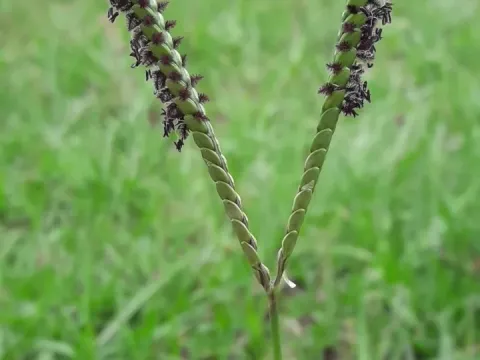
Botanically, Thrasya is distinguished by its inflorescence structure, which consists of racemes of spikelets, often featuring distinct pubescence. The root system is robust, providing stability to the plant and helping to stabilize the soil surface against erosion.
The primary agricultural use of Thrasya is as a forage source for livestock. It is valued for its ability to regenerate quickly after grazing or cutting, making it a reliable component in the maintenance of productive grazing lands within its native range.
Common threats to Thrasya include fungal infections such as leaf rust and various blights, particularly in regions where humidity levels remain high for extended periods. Proper management of pasture density is essential to minimize the spread of such pathogens.
Insect pests, including various species of grasshoppers and lepidopteran larvae, may pose a risk to biomass production. Integrated management strategies, focusing on maintaining plant vigor and natural biodiversity, are the standard approach for protecting Thrasya stands.