
Thamnocalamus
Thamnocalamus
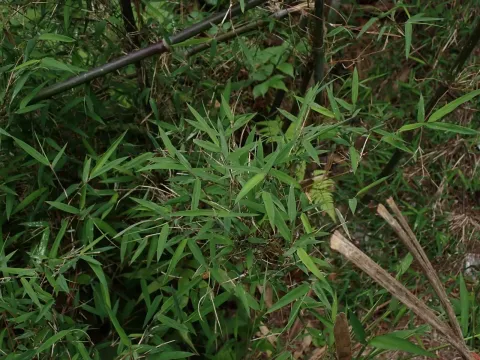
Thamnocalamus belongs to the Poaceae family and is known as a cold-hardy, clumping bamboo species originating from the high-altitude regions of the Himalayas. This genus is highly valued for its elegant, slender culms and dense foliage, which remain evergreen throughout the year.
What the section contains
Thamnocalamus
The plant thrives in partial shade conditions, as direct exposure to harsh afternoon sun can scorch its delicate leaves. It prefers a humid atmosphere and sheltered areas protected from strong, dry winds, which help maintain the moisture balance of the foliage.
Soil requirements for Thamnocalamus include fertile, well-draining, and slightly acidic to neutral substrates. It is essential to avoid waterlogged conditions, as bamboo roots are prone to rot if kept in saturated soil for extended periods of time.
Regarding climate, this bamboo is adapted to cool, moderate temperatures. While it can withstand freezing conditions, extreme cold may require protective mulching of the root zone to prevent soil frost from damaging the rhizome system.
Agrotechnical maintenance focuses on consistent irrigation during the growing season and the application of organic mulch. Proper spacing is important to ensure adequate air circulation around the base of the plant, promoting healthy growth cycles.
The primary threats to Thamnocalamus include fungal leaf spots and root rot, which typically occur in poorly ventilated or excessively damp environments. Maintaining good drainage is the best prophylactic measure against these issues.
Pests such as spider mites and aphids can infest the plants, particularly in dry indoor environments or during hot, rainless periods. Regular monitoring of the undersides of the leaves is recommended to identify early signs of infestation.
Chemical control can be implemented using systemic insecticides or acaricides if manual removal or natural predators are insufficient. Keeping the plant vigorous through proper feeding and watering significantly improves its natural resistance.
Economically, Thamnocalamus is primarily utilized as an ornamental plant in landscape design. Its clumping habit makes it suitable for hedges, privacy screens, or as an accent feature in alpine and Japanese-style gardens.
Beyond landscaping, the wood of some species within the genus has historically been used for craft making and light construction due to the slender and durable nature of the culms. However, its aesthetic value currently outweighs its industrial use.