
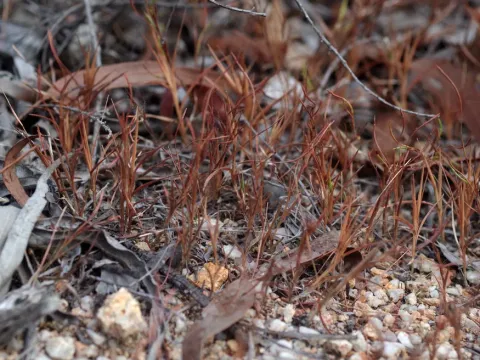
Thaumastochloa
Thaumastochloa
Thaumastochloa is a genus of perennial and annual grasses belonging to the Poaceae family. These plants are primarily found in tropical climates, demonstrating significant resilience in environments with fluctuating precipitation patterns.
What the section contains

Thaumastochloa
Botanically, the genus is characterized by specialized spike-like inflorescences. The structural composition of these grasses allows them to thrive in varied habitats, ranging from open savannahs to the edges of tropical woodland areas.
The native range of Thaumastochloa is concentrated in Australia and various parts of Southeast Asia. Within these regions, it contributes significantly to the local biodiversity and serves as a vital component of natural grassland ecosystems.
Cultivation of this crop requires a warm climate with minimal temperature fluctuations. Consistent exposure to sunlight is essential for optimal development, as the plant exhibits a high demand for solar energy during its active growing cycle.
Soil requirements for Thaumastochloa involve well-drained conditions. While the plant can tolerate nutrient-poor soils, it thrives best in loam or sandy substrates where moisture is readily available but does not cause waterlogging.
The primary threats to Thaumastochloa include fungal pathogens, particularly rusts and leaf spots that proliferate under high humidity. These diseases can significantly impede photosynthetic capacity, resulting in lower biomass production.
Insect pests such as aphids and various larvae represent a consistent challenge to crop health. By feeding on the stems and leaves, these organisms weaken the plant, making it more susceptible to environmental stress and secondary infections.
Effective management includes the integration of systemic insecticides and fungicides, depending on the severity of the infestation. Maintaining healthy, non-stressed plants through balanced nutrition remains the best defense against pests.
Crop rotation and field hygiene are critical in preventing the buildup of soil-borne pathogens. Removing debris after harvest helps to interrupt the life cycle of pests that over-winter in the field.
Monitoring for signs of discoloration or stunted growth is recommended throughout the season. Early detection allows for timely interventions, ensuring that the crop reaches its maturity without significant yield loss.