
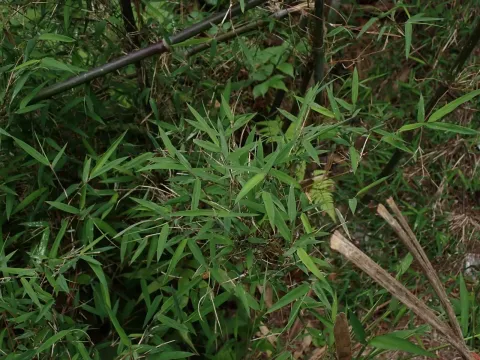
Thamnocalamus spathiflorus
Thamnocalamus spathiflorus
Thamnocalamus spathiflorus is a distinct species of clumping bamboo belonging to the Poaceae family. Unlike running bamboos, this plant grows in tight, neat clusters, making it highly valued in ornamental landscaping.
What the section contains
Thamnocalamus spathiflorus
Originating from the high-altitude regions of the Himalayas, this species thrives in cool, moist environments. It is well-adapted to mountain climates where summers are mild and humidity levels remain relatively high.
The ideal growing medium for this bamboo consists of fertile, well-draining loam. It requires consistent moisture throughout the growing season but cannot tolerate waterlogged conditions, which lead to root rot.
Agricultural techniques focus on site selection that provides partial shade, especially in warmer regions, to prevent leaf scorch. Providing a thick layer of organic mulch helps regulate soil temperature and moisture levels.
The primary use of Thamnocalamus spathiflorus is for aesthetic purposes. It is frequently employed to create privacy screens, windbreaks, or as a focal point in shade-loving garden arrangements.
Fungal infections such as rust are common threats during seasons of prolonged rain or high humidity, necessitating proper spacing to ensure adequate air circulation.
Spider mites are the most frequent pests, especially during dry spells. These pests damage the foliage, leading to yellowing and a loss of the plant's decorative appeal.
Scale insects can also infest the stems and leaves of the bamboo. Regular monitoring and the application of horticultural oils or systemic insecticides help manage these populations effectively.
Root rot caused by Phytophthora species is a serious concern if the drainage is insufficient. Improving soil structure and preventing standing water are the best preventive measures.
Maintaining high plant hygiene by removing dead or yellowing culms prevents the spread of disease and discourages pests from settling in the clumps.