
Texas wild rice
Zizania texana
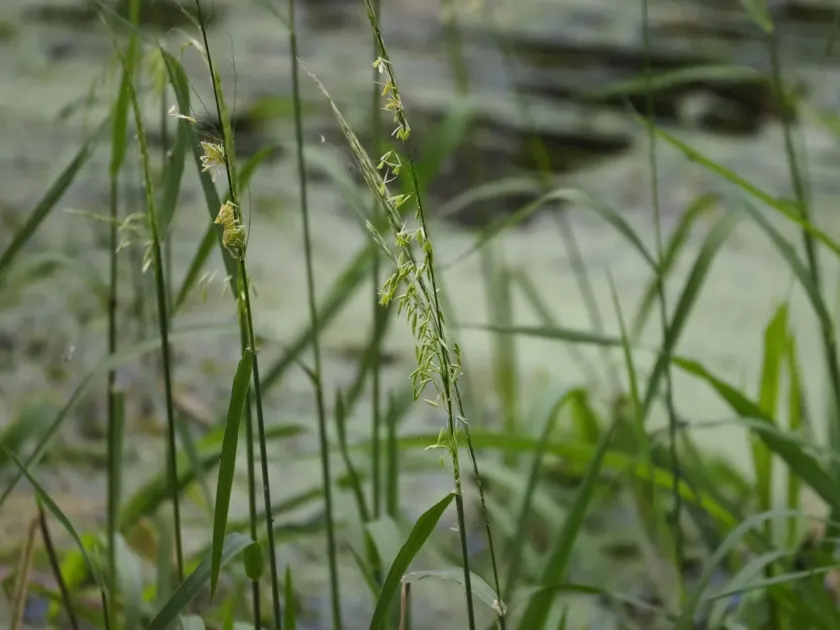
Description
Growing requirements
Texas wild rice (Zizania texana) is a perennial aquatic grass belonging to the Poaceae family. It is distinct from the commercially harvested annual wild rice due to its specialized habitat and endangered status.
The plant is endemic to the San Marcos River in Central Texas, USA. It requires specific ecological conditions characterized by constant water temperatures of approximately 22 degrees Celsius.
The species grows optimally in clear, flowing water over sand and gravel substrates. Constant current is essential for preventing siltation and ensuring the plant receives adequate oxygen and nutrients.
Botanically, it is a submersed aquatic plant. While the flowering heads emerge above the water surface for pollination, the vegetative parts remain submerged, requiring high water clarity to perform photosynthesis.
Due to its restricted native range, this plant is not grown as an agricultural crop. Any cultivation efforts are purely focused on restoration projects and preserving the species from extinction in its natural habitat.
Main diseases and pests
The survival of Zizania texana is primarily threatened by water depletion. Reduced flow in the San Marcos River during droughts directly limits the plant's available habitat.
Agricultural runoff from nearby areas often carries high levels of nutrients, which promote the growth of algae and epiphytes, effectively smothering the native wild rice beds.
Invasive plant species, such as water hyacinth and hydrilla, represent significant competitors that can outgrow the rice and block necessary sunlight from reaching the submerged leaves.
Human recreational activities, including tubing and swimming, cause physical damage to the delicate stems and disturb the root systems, leading to reduced population density.
The accumulation of sediments and urban pollutants poses a chronic threat, as the plant possesses a narrow tolerance range for chemical water quality and turbidity levels.