
Tephrosanthos lovegrass
Eragrostis tephrosanthos
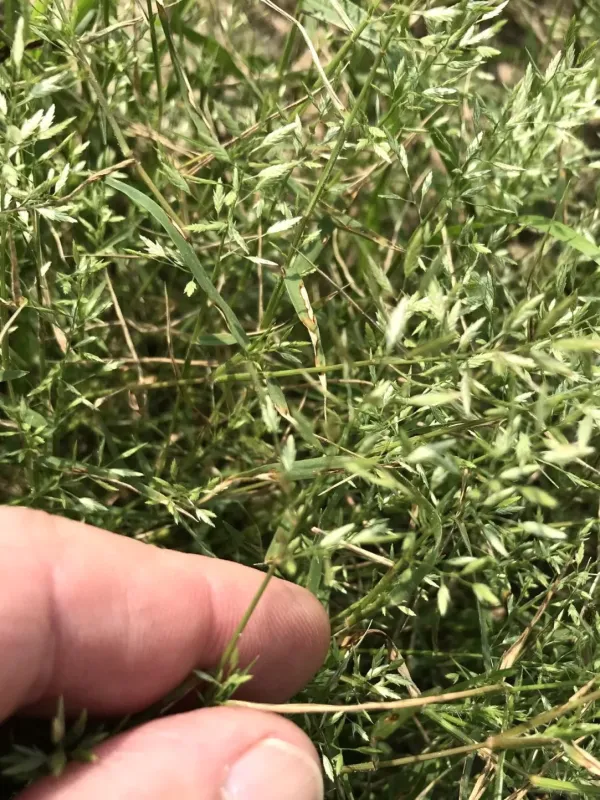
Description
Sowing dates
Tephrosanthos lovegrass is a warm-season annual cereal that requires well-warmed soil for successful germination. In temperate climates, sowing is typically scheduled for late spring, once the danger of frost has passed.
Optimal germination occurs when soil temperatures remain consistently between 15 and 18 degrees Celsius. Planting too early in cold soil often results in poor seedling establishment and increased weed competition.
Seeding rates should be adjusted based on the planting method: row drilling typically allows for better control and lower seed consumption compared to broadcasting. Ensuring good seed-to-soil contact is critical for uniform emergence.
The seeds of this species are extremely small, necessitating shallow planting depths, ideally no more than 1–2 centimeters. Burying them too deeply often prevents the young sprouts from reaching the surface.
This crop exhibits rapid early-stage growth, which allows it to successfully occupy space and compete effectively against weeds if the initial planting density is maintained at proper levels.
Growing requirements
Belonging to the Poaceae family, this plant is well-regarded for its exceptional drought tolerance. It is highly efficient in its water use, making it an excellent candidate for agricultural production in hot, arid regions.
The plant is not overly demanding regarding soil type. It thrives in light sandy or loamy soils where other traditional forage grasses might struggle to produce a viable or sustainable biomass yield.
Ideal soil pH for lovegrass typically ranges from slightly acidic to neutral. Growers must avoid waterlogged conditions, as poor drainage is detrimental to the plant's delicate root system.
It is a sun-loving species that requires open areas for full development. Excessive shading will lead to etiolated, weak stems and a significant reduction in the overall nutritional quality of the forage.
In terms of fertilization, Tephrosanthos lovegrass shows a strong positive response to nitrogen applications, which effectively stimulate rapid vegetative growth during the peak of the growing season.
Main diseases and pests
Botanically, this species is defined by its thin-stemmed panicle inflorescences, which give the plant a distinct grayish or "ash" color. It is an annual grass with a high capacity for self-seeding under optimal conditions.
Common pests such as cereal flies and aphids can pose a threat to young seedlings early in the season. These pests can significantly reduce plant density if not monitored and managed early.
Diseases like rust or powdery mildew may manifest if agricultural practices are flawed or in periods of high humidity. Regular field scouting is the best practice for maintaining a healthy crop.
Preventive measures include strict crop rotation and avoiding soil compaction. Chemical interventions are recommended only when pest populations exceed established economic thresholds for crop damage.
Seed purity is of paramount importance, as the species can harbor fungal pathogens that are easily transmitted through contaminated seed lots or infected crop residues from previous seasons.
Harvesting
The primary agricultural use of this crop is for green forage and hay production. Harvesting should ideally take place during the early flowering stage to ensure the highest possible nutrient concentration in the stems.
Avoiding a delayed harvest is essential, as the stems become tough and lignified once the plant begins to set seed, drastically reducing palatability and digestibility for livestock.
Due to the plant's high transpiration efficiency, green forage often dries quickly under favorable conditions, which can be an advantage when aiming for high-quality hay production in short timeframes.
Utilizing modern forage harvesting machinery helps minimize losses during the collection process. Proper cutting heights are recommended to encourage rapid regrowth and tillering for subsequent cuttings.
Beyond hay and green chop, the plant serves well as a supplemental pasture crop in arid zones, providing a reliable source of fiber for livestock when other green forage options are limited.