
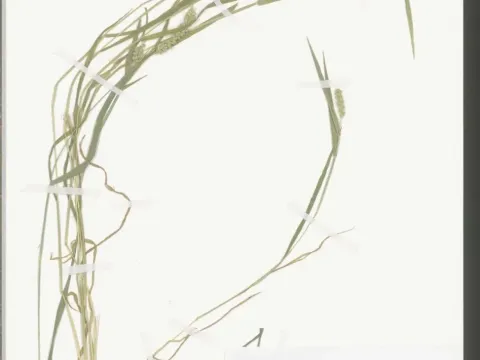
Black-seeded bristlegrass
Setaria acromelaena
Black-seeded bristlegrass (Setaria acromelaena) belongs to the Poaceae family and is an annual, warm-season grass that thrives in high-temperature environments.
What the section contains
Black-seeded bristlegrass
Sowing should be carried out only after the soil has warmed sufficiently, typically when temperatures remain consistently above 15 degrees Celsius in the topsoil layer.
The optimal planting time generally occurs in late spring, ensuring that the seeds do not face the risk of frost, which could damage emerging tender seedlings.
Seeds are small and should be sown at a shallow depth of approximately 2 to 3 centimeters to ensure good contact with soil moisture and facilitate uniform emergence.
Proper plant density is critical for this crop, as sufficient spacing allows for optimal tillering and robust development of the biomass throughout the growing season.
This crop prefers light, well-drained soils, such as sandy loams, which allow for quick soil warming and healthy development of the fibrous root system.
One of the key advantages of black-seeded bristlegrass is its high tolerance to drought, making it an excellent choice for regions with erratic or low rainfall.
The plant grows best in soils with a neutral or slightly alkaline pH, whereas highly acidic soils can severely hinder nutrient uptake and overall plant growth.
Abundant sunlight is necessary for the development of this grass, as shading can lead to stem weakness, increased lodging, and a reduction in forage quality.
Effective management requires moderate nitrogen fertilization to promote vigorous vegetative growth and maximize the yield of high-quality green fodder.
Yield potential is highly dependent on environmental conditions and the level of agricultural management, including timely weed control and nutrient applications.
When grown under optimal conditions, the crop produces a substantial amount of green biomass suitable for grazing, hay, or silage for livestock production.
Harvesting for forage is best timed at the early flowering or heading stage to capture the highest nutrient density before the stems become overly fibrous.
For seed production, growers must closely monitor the crop to prevent losses due to shattering, as the seeds detach easily when reaching full maturity.
The crop is highly palatable and provides a valuable alternative for livestock producers looking to improve their forage base during the hot summer months.
Common pathological issues in this crop include fungal infections such as smut and various rust diseases, which thrive in conditions of high atmospheric humidity.
Insect pests, including aphids and various grass-feeding beetles, may cause damage to the leaves and developing heads, requiring integrated pest management.
To mitigate these risks, farmers should focus on seed treatment prior to sowing and ensure that crop rotations are strictly followed to break disease cycles.
Weed management in the early stages of growth is essential to prevent resource competition, which could significantly impact the vigor of the grass stand.
Regular field scouting is recommended to identify early signs of infestation and to apply necessary protective measures before the pest population expands.
Hay production involves mowing the grass at the peak of its vegetative phase and allowing it to wilt in windrows to achieve the proper moisture content for baling.
When harvesting for grain, equipment should be carefully calibrated for small seeds, utilizing reduced cylinder speeds to prevent mechanical damage to the kernels.
Post-harvest cleaning is a crucial step to remove debris and fine particles that could lead to mold growth or overheating during long-term storage of the seeds.
The crop residues left after seed harvest can often be repurposed as a roughage source for ruminants or as high-quality bedding material for farm animals.
Proper storage in dry, well-ventilated silos is necessary to preserve the quality of the harvested seeds and prevent any loss of viability for future planting.