
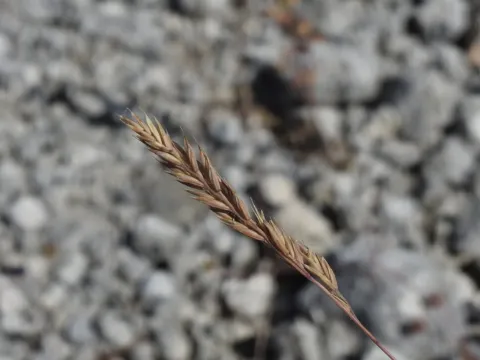
Blue fescue
Festuca cinerea
Blue fescue is typically sown in early spring, once the soil has warmed sufficiently. This timing ensures that seedlings establish their root systems before the intense heat of summer begins.
What the section contains
Blue fescue
Sowing in seed trays is highly effective for controlled germination. Seeds should be sown in a light, well-draining potting mix at a depth of about 0.5 cm, as they require a bit of light to germinate properly.
Once seedlings have reached the 3-leaf stage, they should be hardened off before being transplanted outdoors. Maintaining a planting distance of 20 to 30 cm allows for proper airflow and mature clump development.
Direct sowing in the garden is also possible in well-prepared, friable soil. It is essential to keep the seedbed moist during the initial germination phase to prevent the seeds from drying out.
Autumn sowing is an alternative in warmer climates, allowing the grass to take advantage of cooler temperatures and autumn rains to establish itself before the following summer.
Blue fescue, known scientifically as Festuca cinerea, is a compact perennial member of the Poaceae family. Its striking blue-grey foliage makes it a staple in modern xeriscaping and ornamental gardens.
This grass thrives in full sun exposure. While it can survive in partial shade, it will likely lose its vibrant blue coloration and become more prone to drooping or thinning foliage.
Soil requirements are modest; the plant prefers well-drained, sandy, or rocky soil. It is highly drought-tolerant once established and does not require frequent irrigation compared to other lawn grasses.
It is remarkably hardy in various temperate climates. However, the most crucial aspect of its environment is the prevention of winter waterlogging, which can lead to crown rot.
Regular maintenance involves raking away dead foliage in early spring to stimulate new growth. Dividing the plant every three to four years is recommended to maintain its vigorous, mounded shape.
Root rot is the most common threat to Blue fescue, usually caused by poorly drained soil or over-irrigation. Proper soil preparation is the best prevention against this lethal condition.
In humid conditions, fungal diseases like rust can occur, causing discolored spots on the blades. Ensuring proper spacing between plants helps maintain the airflow necessary to prevent such issues.
Aphids can occasionally infest the plant, particularly in sheltered or stressed environments. While rarely fatal, they can cause significant foliage damage and weaken the plant's overall health.
Powdery mildew is another occasional problem if the plant is grown in areas with poor ventilation. Regular inspection of the foliage during high-humidity periods is essential for early detection.
Effective management includes maintaining clean garden borders and removing organic debris from around the base of the plant to eliminate potential overwintering sites for pests and spores.