
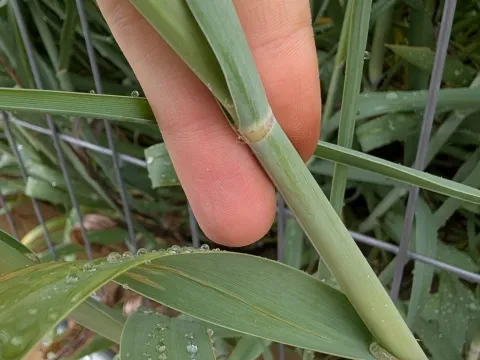
Bitter panicgrass
Panicum amarulum
Bitter panicgrass (Panicum amarulum) is a robust perennial grass species belonging to the Poaceae family. It is widely recognized for its exceptional resilience and its role as a key species in maintaining coastal ecosystem stability.
What the section contains
Bitter panicgrass
Native to the coastal areas of the southeastern United States, this species has adapted to extreme conditions. Its natural habitat consists of dunes and sandy shores where environmental stressors such as high salinity and nutrient-poor soils are the norm.
Cultivation requirements include full sun exposure and well-draining, sandy soils. The plant demonstrates remarkable tolerance to salt spray and periodic drought, which are common stressors in maritime environments that prevent other vegetation from surviving.
In terms of agricultural management, Panicum amarulum requires very little intervention. It does not need high levels of fertilization; in fact, excessive nutrients may favor competing weed species and undermine the grass's competitive advantage in its native habitat.
The root system of the bitter panicgrass is extensive and fibrous. This structural adaptation is essential for anchoring the plant deep within shifting sands, allowing it to withstand strong coastal winds and storm surges.
The primary use of bitter panicgrass is environmental engineering and dune restoration. By establishing dense colonies, the plant traps wind-blown sand, which promotes the growth and stability of primary sand dunes.
While not a major commercial crop, the plant provides significant ecological services. It serves as a habitat and refuge for various coastal birds and small mammals, contributing to the overall biodiversity of the sandy beach environment.
Common diseases or pests are relatively rare for this species due to its natural adaptation to harsh conditions. However, in poorly managed or overly dense monocultures, fungal pathogens may appear during periods of unusually high humidity.
Some minor threats include insect herbivory and the introduction of invasive plant species that may outcompete native stands. Proper site selection and monitoring are necessary to ensure the health of the population in restoration projects.
Harvesting is typically non-existent in wild populations, as the plant's value lies in its permanent presence. When propagated for nurseries, seeds are collected by hand to ensure the preservation of local genetic diversity.