
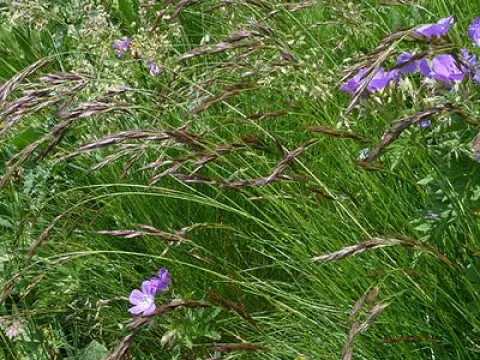
Black-eyed fescue
Festuca melanopsis
Black-eyed fescue (Festuca melanopsis) is a perennial grass species belonging to the Poaceae family. Known for its adaptability, this grass is a valuable component in meadow ecosystems and managed pastures.
What the section contains
Black-eyed fescue
The optimal sowing time is early spring, which ensures sufficient soil moisture levels for germination. This timing allows the plants to establish a robust root system before the onset of hotter summer conditions.
Seeds should be planted at a shallow depth of approximately 1.5–2 cm. Proper soil contact is critical; therefore, rolling the soil after sowing is highly recommended to encourage uniform germination and early plant development.
The seeding rate typically ranges from 12 to 15 kg per hectare for pure stands. When integrated into mixed pastures, the rate should be adjusted based on the compatibility and growth habits of the other sown species.
During the first year, growth is focused on establishing the root system and vegetative tillers. The plants reach full maturity and reproductive peak from the second year onwards, exhibiting vigorous spring growth.
This species thrives in well-drained loam or sandy-loam soils. It prefers soils with moderate fertility and exhibits poor tolerance for waterlogged areas, making proper site selection essential for long-term productivity.
While exhibiting moderate drought tolerance, the grass benefits from consistent moisture levels. Sustained soil moisture is particularly important during the vegetative growth phase to maximize biomass production.
The ideal soil pH for black-eyed fescue ranges from 5.5 to 7.0. Soils with extreme acidity may require liming to optimize nutrient availability, specifically regarding phosphorus and nitrogen uptake.
Black-eyed fescue is characterized by high winter hardiness. It is well-adapted to regions with severe winter conditions, demonstrating a strong ability to survive low temperatures and recover quickly in the spring.
As a light-loving plant, it performs best in open locations. Excessive shading inhibits tillering and can lead to lower nutrient density in the forage, reducing its overall feed quality for livestock.
The productivity of black-eyed fescue remains stable over several years of utilization. When managed effectively, it can sustain high yields of quality forage, especially under favorable nutrient conditions.
Strategic nitrogen fertilization applied after harvest cycles significantly increases the production of green biomass. Such practices help in the rapid regeneration of leaf tissues and sustain the sward’s vigor.
Primary use is as high-quality forage for grazing livestock and hay production. Its high protein content and digestibility make it an excellent choice for improving the nutritional profile of ruminant diets.
Furthermore, the plant is utilized in environmental restoration projects. Its dense root system makes it highly effective for soil stabilization on slopes and for preventing wind or water erosion in open landscapes.
Management through timely harvesting is crucial. Maintaining a cutting height of at least 5 cm prevents depletion of carbohydrate reserves, ensuring the longevity of the pasture and consistent yields year after year.
Black-eyed fescue generally exhibits high natural resistance to common pathogens. However, under conditions of excessive humidity, powdery mildew may appear as a whitish fungal layer on the leaves.
Rust diseases can also occur in environments with poor air circulation or high moisture levels. Maintaining an optimal planting density and controlling weeds helps in promoting airflow, which significantly reduces the risk of infection.
Pests, such as cereal flies, may impact seedling development. Monitoring crop emergence is key, as healthy, fast-growing plants are less susceptible to damage compared to those stressed by poor soil conditions.
Implementing a diverse crop rotation is a primary defense strategy. Avoiding monoculture cycles helps break the lifecycle of specific soil-borne pests and prevents the buildup of potential pathogens in the field.
Chemical control measures are rarely necessary for this species. Agronomic practices, such as proper fertilization and regulated grazing intensity, are the preferred methods for maintaining a healthy and productive sward.