
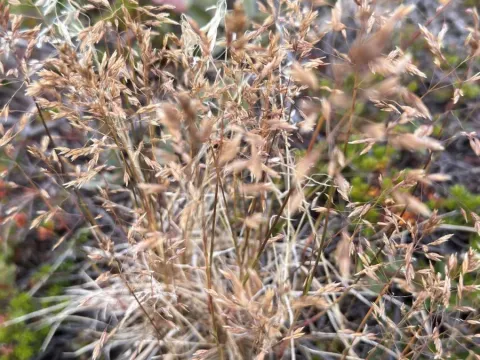
Arctic bluegrass
Poa arctica
Arctic bluegrass (Poa arctica) is a perennial grass species belonging to the Poaceae family. It is a highly specialized plant adapted to the extreme climates of arctic and alpine regions around the world.
What the section contains
Arctic bluegrass
The plant is characterized by its creeping rhizomes and high flexibility, which allow it to survive under deep snow covers and adapt to the short, intense growing seasons of the northern latitudes.
Regarding soil requirements, it thrives in well-drained, acidic to neutral soils. It is particularly valued for its ability to grow in areas with permafrost where other agricultural crops fail to establish.
As a forage crop, it is noted for its early spring regrowth. It possesses high protein content and digestibility when harvested at the vegetative stage, making it an excellent resource for local livestock.
Cultural practices include managed grazing and limited soil enrichment, as the plant is highly sensitive to nitrogen overload, which can disrupt its natural balance in arctic ecosystems.
Arctic bluegrass is generally robust against typical agricultural pests due to the harsh environmental conditions that naturally limit the life cycles of most phytophagous insects.
However, fungal pathogens such as snow molds can occasionally develop if the insulating snow layer remains stagnant for an excessively long time, creating an ideal moist environment.
Small mammals, particularly voles, represent the most significant biotic threat, as they consume the rhizomes and crowns of the plants during the winter season under the snow cover.
- Monitor for patchiness in spring regrowth.
- Avoid overgrazing to prevent soil compaction and erosion.
- Apply minimal mechanical stress to the turf during the thawing period.
Given its specialized nature, the plant requires minimal chemical protection, and sustainable land management is the most effective way to prevent yield loss and ensure long-term site stability.