
Arizona fescue
Festuca arizonica
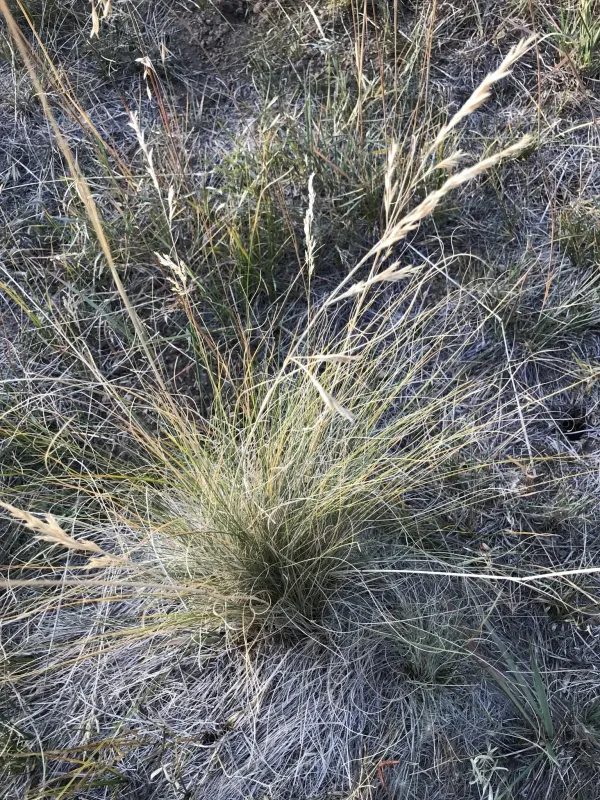
Description
Sowing dates
Arizona fescue is typically sown during the early spring or fall when soil moisture levels are conducive to germination. Seeds require stable temperatures between 10 and 15 degrees Celsius to begin active growth.
Due to the seed size, the planting depth should be kept shallow, preferably between 1 and 2 centimeters. Ensuring a firm seed-to-soil contact through rolling after sowing significantly improves the success rate of the establishment.
Seeding rates are adjusted based on the intended land use, whether for pasture development, range reseeding, or erosion control. Uniform distribution of seeds is essential for creating a uniform stand.
Fall seeding is often preferred in semi-arid regions to allow seedlings to establish roots during cooler months, thereby preparing them for the harsher, drier heat of the following summer.
Weed management during the first growing season is crucial, as Arizona fescue establishes its root system slowly compared to more aggressive perennial grasses, necessitating a weed-free seedbed.
Growing requirements
Arizona fescue is a member of the Poaceae family, recognized for its exceptional adaptation to dry, upland environments. It is a long-lived perennial bunchgrass that thrives in diverse soil conditions, including stony and low-nutrient substrates.
The plant prefers well-drained soils and is highly sensitive to poor drainage. Waterlogged conditions must be avoided, as they frequently lead to crown and root rot, significantly reducing the lifespan of the grass stand.
It demonstrates remarkable cold hardiness, surviving severe winter temperatures without damage. The plant performs best in open, sunny locations where air circulation is abundant, preventing moisture accumulation.
While the species is adapted to nutrient-poor soils, modest nitrogen fertilization in the early spring can enhance vegetative growth on depleted sites. However, over-fertilization should be avoided to prevent weed competition.
The root system of Arizona fescue is deep and fibrous, making it an excellent candidate for slope stabilization and soil conservation projects in arid landscapes where other vegetation struggles.
Yield
In agricultural settings, Arizona fescue is utilized primarily for rangeland restoration and high-quality livestock forage. It offers reliable production even in years with below-average precipitation.
Yield capacity is largely determined by environmental conditions, yet its persistence and nutritional value make it a staple in dryland pasture systems. The forage is palatable to cattle and wildlife, particularly during the growing season.
For hay production, harvesting should be timed carefully to balance yield with nutritional quality. The grass typically regrows well following controlled grazing or mowing, provided that grazing pressure is not excessive.
Seed production is an important commercial aspect of this crop. Harvest should be conducted when seeds are fully mature but before extensive shattering occurs, which requires close monitoring of the crop as it ripens.
Sustainable grazing management, which includes rotational grazing and adequate rest periods, is essential to maintain the productivity and longevity of the Arizona fescue stand over multiple years.
Main diseases and pests
Arizona fescue possesses a high level of natural resistance to most common grass diseases. Its physiological adaptation to dry environments acts as a natural barrier to many pathogen types that thrive in humid conditions.
In cases of high humidity or poor air circulation, foliar rusts or fungal leaf spots may appear. The primary preventative measure is to select site locations that provide optimal airflow and to avoid excessive moisture.
Soil-dwelling larvae can pose a threat to the establishment of seedlings. Integrated pest management, focusing on site preparation and monitoring, is generally sufficient to manage potential insect damage.
Regular maintenance, such as occasional mowing, can help reduce the buildup of old leaf tissue and debris, which can harbor pests and fungal spores, thereby promoting a healthier stand.
Proactive care and matching the variety to the specific local environment are the best ways to mitigate biological threats, ensuring the crop remains productive and robust throughout its lifespan.