
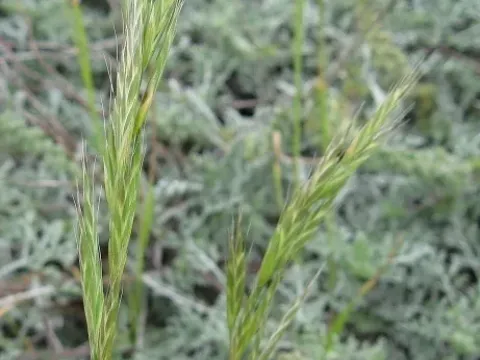
Arizona brome
Bromus arizonicus
Arizona brome (Bromus arizonicus) is an annual grass species belonging to the Poaceae family. It is known for its rapid growth cycle and is often utilized as a high-quality forage crop in regions with mild winters.
What the section contains
Arizona brome
The ideal planting window usually occurs in the autumn. This timing allows the root system to establish thoroughly before the onset of the summer heat, ensuring stronger growth throughout the season.
To ensure successful germination, seeds should be sown at a shallow depth of 1 to 2 centimeters. Maintaining adequate soil moisture during the initial emergence phase is critical for achieving a uniform stand.
Seeding rates vary depending on the chosen method of planting, such as precision drilling or broadcast seeding. Utilizing high-quality, certified seed is essential to prevent the introduction of weeds into the field.
The choice of preceding crops should be considered to reduce potential pest build-up, as following other grass species can sometimes increase the pressure of soil-borne pathogens.
This grass thrives in well-drained loamy soils and is generally adaptable to a range of pH levels. While it shows good drought tolerance, it performs best when irrigation is provided during the driest periods of the year.
Climate is a significant factor, as Arizona brome prefers moderate temperatures for peak vegetative production. Excessive temperatures can trigger premature flowering, which reduces the total biomass available for harvesting.
Fertilization is crucial, specifically the application of nitrogen to stimulate leafy growth. Phosphorous and potassium levels should also be monitored to support overall plant health and root development.
The species is quite sensitive to waterlogged conditions, which can lead to root system failure and stunted growth. Selecting fields with excellent natural drainage is a key management strategy.
Sufficient sunlight is required for healthy plant development. Avoiding shaded areas or high-density planting that restricts light access helps maintain the structural integrity and quality of the crop.
Arizona brome is primarily utilized for hay production and as a green fodder source. Its palatable nature makes it a favored choice for livestock, offering high nutritional value when harvested at the right time.
Yields are highly dependent on the quality of agronomic management and moisture availability. In optimized conditions, the crop can provide multiple cuttings, maximizing the utility of the land.
It can also be used in rotational grazing systems. Its ability to recover quickly after mowing or grazing makes it a versatile component of a diverse forage management plan.
Beyond its value as fodder, Arizona brome helps prevent soil erosion. Its fibrous root system stabilizes the upper layers of the soil, improving the overall structure and moisture retention of the land.
The economic value is further enhanced by its low maintenance requirements once established, making it a sustainable option for farmers seeking reliable forage yields with minimal intervention.
Common diseases, including rusts and leaf spot fungi, can affect the crop, especially in humid or stagnant air conditions. Implementing proper field sanitation and avoiding overcrowding are primary preventative measures.
Insect pests such as aphids and grass-feeding flies are typical threats to young plants. Early detection and the use of integrated pest management practices are essential to protecting the harvest.
Root diseases often stem from inadequate field drainage. If water persists in the root zone for too long, the plant’s health will decline significantly, and recovery becomes difficult.
Wireworms and other soil-dwelling insects can damage seeds or emerging seedlings. Applying seed treatments prior to sowing can significantly reduce the risk of early-stage plant mortality.
A proactive monitoring approach throughout the growing season ensures that potential threats are identified before they impact the economic output of the entire field.
Harvesting for hay should be timed for the early heading stage. This is when the crop achieves the best balance between biomass weight and nutritional content, such as protein and sugar concentrations.
Fast drying after mowing is vital to preserve the nutrient quality of the hay. Utilizing modern baling technology helps retain the green color and nutritional profile of the harvested grass.
When harvesting for seeds, the crop should be left until the grains reach full wax maturity. Combines must be precisely calibrated to handle the seed size and weight, reducing losses during threshing.
Proper post-harvest cleaning and drying of the seed lot are required to ensure the longevity of the seeds when placed in storage for the next season.
Effective management of stored products ensures that farmers have high-quality forage available for livestock throughout the winter months, supporting overall farm productivity.