
Apennine ryegrass
Lolium apenninum
Description
Growing requirements
Apennine ryegrass (Lolium apenninum) is a perennial grass species belonging to the Poaceae family. Originating from the mountain regions of Italy, this plant is well-adapted to cooler climates and high-altitude environments where other forage species may struggle.
The crop thrives in well-drained, fertile soils with a balanced mineral content. It prefers sites that provide consistent moisture but is hardy enough to survive moderate dry spells during the summer, making it a reliable choice for mountainous pasture land.
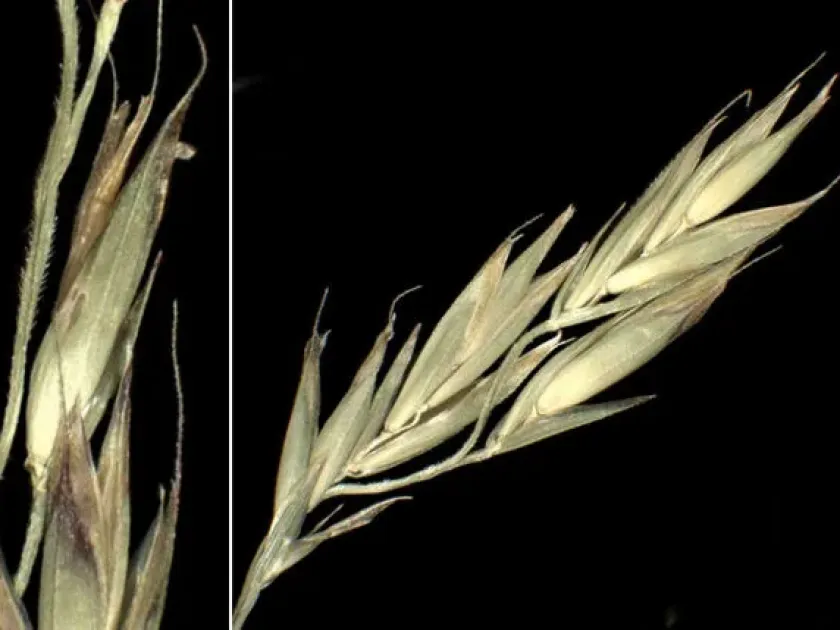
Botanically, it is characterized by its strong tiller production and dense root system, which not only provides high biomass yield but also helps prevent soil erosion on sloping terrains. It is a highly competitive plant once established in the pasture sod.
Agronomic requirements include periodic fertilization, particularly with nitrogen, to maintain its vegetative vigour throughout the growing season. Early spring growth is a distinct advantage, allowing for early turn-out of grazing livestock after winter dormancy.
The primary use of Apennine ryegrass is in high-quality hay production and intensive pasture grazing. Its nutritional profile, marked by good levels of soluble sugars and proteins, makes it a valuable component in seed mixtures for permanent grassland improvement.
Main diseases and pests
Like many Lolium species, Apennine ryegrass is susceptible to common fungal pathogens including rusts and powdery mildew. These diseases typically manifest during periods of high humidity or when air circulation within the canopy is poor.
Pests such as aphids, thrips, and various species of plant hoppers can impact the crop. These insects suck sap from the foliage, potentially weakening the plant and facilitating the secondary infection of viral or fungal diseases.
Effective management includes maintaining a vigorous sward density to naturally crowd out weeds and reduce pest nesting sites. Avoiding waterlogged conditions in the fields is crucial, as excess soil moisture can increase the plant's susceptibility to root rot.
Integrated pest management (IPM) strategies are recommended to keep damage below economic thresholds. This involves field monitoring, preserving beneficial insect populations, and, if necessary, the judicious application of targeted fungicides.
Harvest management also serves as a defensive measure. Timely cutting of the forage prevents the buildup of old, decaying organic matter that might otherwise harbour fungal spores throughout the winter months, ensuring a healthier start to the next season.