
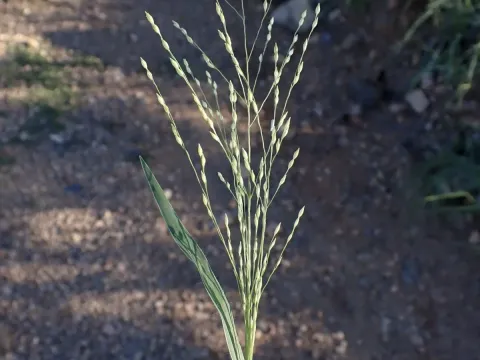
Bristle-stem panicgrass
Panicum hirticaule
Sowing of bristle-stem panicgrass is conducted when soil temperatures at seed depth are optimal, typically in late spring. In cultivation regions, this period is selected to coincide with the establishment of stable, warm weather, as the crop is highly sensitive to cold during the germination phase.
What the section contains
Bristle-stem panicgrass
When selecting sowing dates, it is essential to consider soil moisture, as early planting under dry conditions leads to poor stand establishment. In arid zones, sowing is often timed after the first significant seasonal rains to ensure a rapid start for the root system.
Seed depth varies from 2 to 4 centimeters, depending on the soil texture and moisture content. Because the seeds are small, it is crucial to ensure good soil-seed contact; therefore, rolling after sowing is a standard and recommended agricultural practice.
The seeding rate is determined by the desired plant density and the intended use of the crop. For maximum forage yield, higher seeding rates are employed, while seed production plots require lower densities to prevent overcrowding.
Adhering to optimal sowing times allows the crop to establish a robust root system before the onset of peak summer heat, which is critical for achieving the full yield potential of this grass species.
Bristle-stem panicgrass, belonging to the Poaceae family, is a typical warm-season annual plant. It demonstrates high adaptability to moderately hot climates and can effectively utilize solar energy for intensive photosynthesis.
The plant prefers light, well-drained sandy or loamy soils, although it develops successfully in heavier soils if there is no prolonged waterlogging. Adequate aeration of the root system is a vital requirement for active growth during the tillering stage.
Regarding moisture, the species displays xeric traits, showing resistance to short periods of drought. However, to produce a full yield of biomass, moderate moisture is required during critical developmental phases, particularly before flowering.
The crop responds positively to nitrogen fertilization, which stimulates rapid vegetative growth. Nevertheless, excess fertilizer without proper irrigation can lead to premature wilting of the plants during periods of water stress.
Agricultural management must include consistent weed control, as bristle-stem panicgrass grows slowly during its initial stages and can be easily outcompeted by fast-growing weeds in the field.
Major threats to this crop include specific types of rust and smut fungi that infect inflorescences and leaves during periods of high air humidity. Regular field monitoring is essential to detect infection sites at early stages.
Among pests, wireworms and cereal leaf beetle larvae can cause significant damage by attacking the underground parts of young plants. Preventive measures include proper crop rotation and the use of treated seeds.
Crops may also suffer from aphid infestations, which suck sap from the leaves and often lead to secondary fungal diseases. In cases of massive outbreaks, systemic insecticides are applied to protect the biomass.
Weeds pose a serious threat during the initial vegetation period when the plant development is slow. Selective herbicide application is a key method for protecting stands and ensuring uniform crop growth.
Strict adherence to agronomic standards, including effective crop rotation, helps minimize the accumulation of soil-borne pathogens and reduces the reliance on intensive chemical protection programs.