
Bristle bent
Agrostis curtisii
Description
Sowing dates
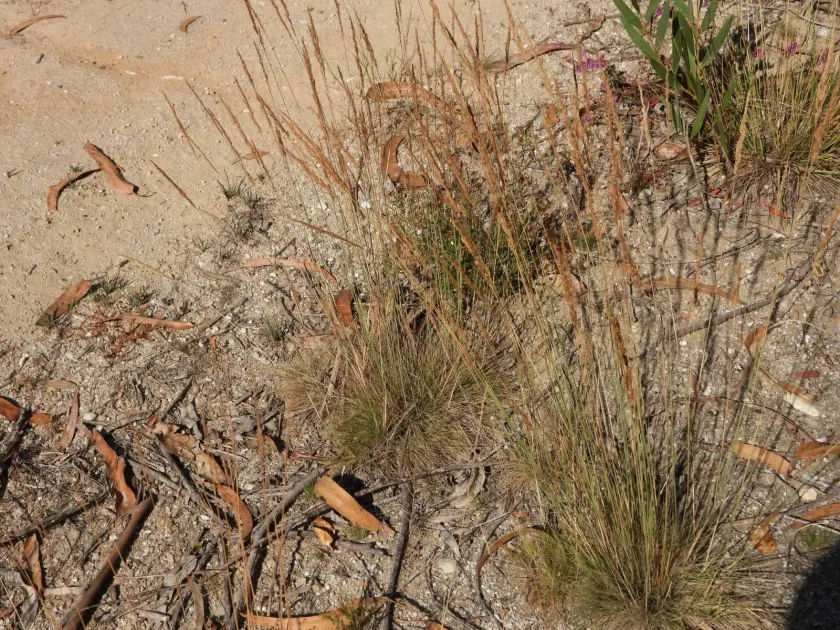
Bristle bent (Agrostis curtisii) is a perennial grass species belonging to the Poaceae family. Historically found in heathlands, it is valued for its fine texture and ability to form dense, low-growing mats in specific environmental niches.
Sowing should ideally take place in early spring or early autumn when soil temperatures are conducive to germination and moisture levels remain consistent. Because the seeds are tiny, they should be sown on the surface with minimal soil coverage to ensure light reaches the germinating embryos.
Site preparation is critical for establishing a healthy crop. The soil must be cleared of perennial weeds, particularly those that spread by rhizomes, as the young seedlings of Bristle bent are slow to establish and can be easily outcompeted by aggressive weeds.
Seeding rates depend on the intended use, whether it is for meadow restoration or fine turf production. A higher seeding density is typically recommended for turf to ensure complete coverage, whereas lower rates are sufficient for naturalistic landscapes.
Post-sowing maintenance must prioritize soil moisture management. Irrigation should be gentle to avoid washing away the seeds, and once the plants have established, careful management of fertilizer application will support consistent growth throughout the season.
Growing requirements
Bristle bent prefers acidic, well-drained soils and is particularly well-adapted to sandy or peat-rich environments. It struggles in heavy, clay-based soils where waterlogging occurs, as it requires good aeration for its root system to remain healthy.
The climate requirements include a preference for temperate, oceanic conditions with mild winters. While it is hardy, it benefits from sufficient rainfall during the growing season and does not perform well in areas with prolonged, intense heat waves.
Light exposure is a significant factor for the survival and aesthetics of this species. It performs best in full sunlight or very light shade; dense shade significantly reduces plant vigor and may lead to thinning of the stand.
Soil pH management is essential for Bristle bent, as it thrives in acidic conditions (pH 5.0 to 6.5). Liming should be avoided unless the soil is excessively acidic, as the plant has evolved to excel in conditions where many other grass species struggle.
Ongoing maintenance includes periodic aeration to alleviate soil compaction, which is a common issue in frequently utilized areas. Proper management of nutrient levels, avoiding over-fertilization, will help maintain the plant's characteristic fine, dense growth habit.
Main diseases and pests
Like many species in the Agrostis genus, Bristle bent is susceptible to fungal diseases, including rust and powdery mildew. These are most common in areas with poor airflow and high humidity, which favor spore germination and rapid pathogen spread.
Root rot is a major threat often associated with poor drainage or over-irrigation. Ensuring that the soil remains well-drained is the most effective preventative measure against soil-borne pathogens that attack the crown and roots.
Insect pests such as wireworms and the larvae of various beetles can cause significant damage by feeding on the root system. Regular inspection of the turf or meadow health can help identify infestations before they become widespread and difficult to control.
Nematodes are another potential biological threat, particularly in sandy soils where they can penetrate the root tissue and reduce the vigor of the grass. Management strategies should include crop rotation and ensuring robust plant health through proper nutrition.
Integrated Pest Management (IPM) is highly recommended. This involves cultural practices such as regular mowing, appropriate fertilization, and the judicious use of pesticides only when economic thresholds are met and other methods fail.
Harvesting
Harvesting for seed production requires careful timing, as the seeds shatter easily once fully ripe. Collection is typically done when the inflorescences turn a golden-brown color, using mechanical harvesters adjusted for small seeds to minimize loss.
Post-harvest processing involves drying the seeds quickly to prevent mold growth, followed by cleaning and sorting to remove chaff and debris. Proper storage in a cool, dry environment is essential to maintain seed viability for subsequent planting seasons.
In a forage or meadow management context, harvesting may be performed through biennial cutting. This prevents the accumulation of excessive thatch and promotes the rejuvenation of the plant population, ensuring the persistence of the species over time.
Equipment for harvesting must be well-maintained to ensure clean cuts, which aids in quicker regrowth. Avoiding harvesting during extremely wet conditions is vital to prevent mechanical damage to the soil structure, which can cause long-term compaction issues.
The timing of the harvest is usually tailored to the life cycle of the plant, often after the primary flowering period to allow for some natural reseeding, which helps maintain the density and sustainability of the meadow ecosystem.