
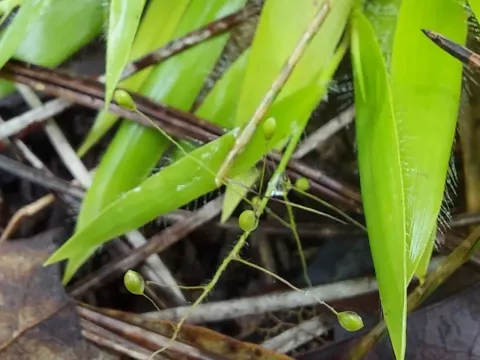
Bristly panicgrass
Panicum strigosum
Bristly panicgrass (Panicum strigosum) is an annual grass species belonging to the Poaceae family. It is recognized for its adaptive capabilities in various environments, often thriving in conditions where other more demanding agricultural crops might struggle. It is widely acknowledged for its resilience and utility in forage production.
What the section contains
Bristly panicgrass
The botanical structure of the plant features erect culms with linear, tapering leaves. The defining characteristic is the inflorescence, a panicle with bristly branchlets that provides the plant with its common name. The root system is fibrous and extensive, allowing the plant to draw nutrients and moisture from various soil profiles efficiently.
This crop is inherently thermophilic and requires significant sunlight throughout its vegetative cycle. Optimal growth temperatures range between 20°C and 28°C. While it displays high tolerance to drought, consistent soil moisture during the tillering and stem elongation stages ensures the best development of green biomass.
The plant is not highly demanding regarding soil fertility. It performs exceptionally well on sandy or loamy soils with good drainage. It is crucial to maintain adequate aeration in the root zone, as the crop does not tolerate waterlogging, which can lead to root system decay and reduced vigor.
In terms of agricultural utility, Bristly panicgrass is predominantly used as a fodder crop. It provides nutritional green biomass for livestock and can be harvested for hay. Furthermore, its ability to establish quickly makes it an excellent choice for soil stabilization and cover cropping in erosion-prone areas.
Common fungal diseases, such as smut, pose the most significant threat to yields. Effective management requires the use of high-quality, treated seed material to prevent the spread of soil-borne or seed-borne pathogens during the germination period.
Pest pressures often involve grass flies, aphids, and wireworms that target the roots and young foliage. Integrated pest management strategies, including scouting and timely insecticide application, are essential to maintain crop density during the early establishment phase.
Weed control is critical during the initial weeks of growth as the seedlings can be outcompeted by aggressive weeds. Utilizing mechanical inter-row cultivation and selective herbicides is standard practice to ensure the crop establishes dominance in the field.
Disease management is significantly improved by implementing a proper crop rotation plan. Avoiding consecutive cultivation of grass species in the same field helps break the lifecycle of common fungal and insect pests, leading to better overall health of the harvest.
Monitoring for signs of stress is vital throughout the growing season. Early detection of environmental stress or pest infestation allows for corrective actions, ensuring that the crop remains healthy and productive until the final harvest phase.