
Briza humilis
Briza humilis
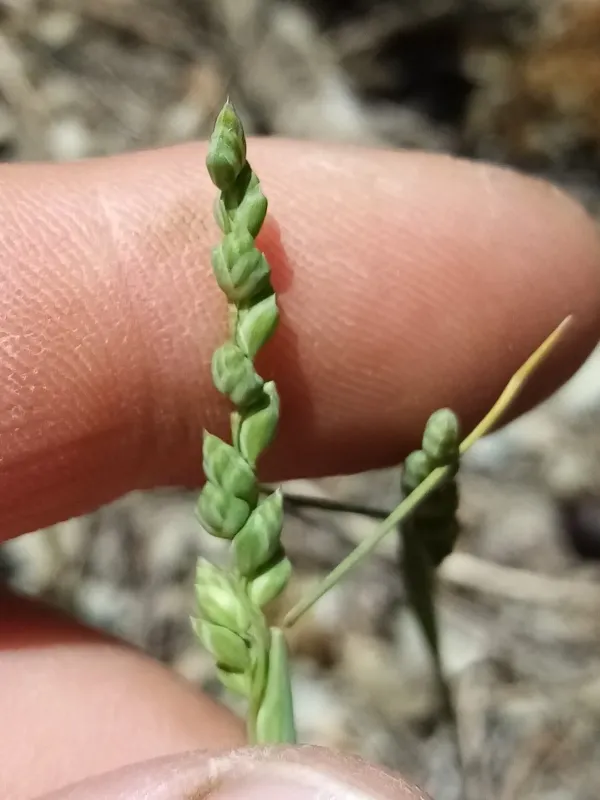
Description
Sowing dates
Briza humilis is typically sown in early spring as soon as the ground is workable. It is an annual or short-lived species that requires a well-prepared, fine seedbed for optimal germination.
Seeds should be sown at a shallow depth of approximately 1-2 centimeters. Due to their small size, it is essential to roll the soil lightly after sowing to ensure proper contact and moisture retention.
The sowing density should be managed to avoid overcrowding, which can lead to poor airflow and increased susceptibility to fungal diseases later in the season.
Direct seeding in the field is the most common practice, as the plants establish quickly when provided with adequate soil temperatures and moisture levels.
In regions with milder climates, late autumn sowing can also be successful, allowing seeds to germinate early in the spring, which results in stronger and more robust plants.
Growing requirements
As a member of the Poaceae family, Briza humilis thrives in open, sunny environments. Exposure to direct sunlight is crucial for the development of its iconic, trembling spikelets.
The plant prefers well-drained, sandy or loamy soils. It has a high tolerance for poor fertility but performs significantly better when organic matter is incorporated into the soil structure.
Although it possesses a moderate level of drought tolerance, consistent moisture during the vegetative stage is necessary to ensure the production of high-quality inflorescences.
Briza humilis shows a preference for neutral to slightly alkaline soil pH levels. Adding lime to acidic garden soils can significantly improve its growth and overall vitality.
Avoid heavy nitrogen fertilization, as it tends to stimulate excessive leafy growth, which may cause the stems to lodge and lose their ornamental appeal during the flowering phase.
Yield
The yield of Briza humilis is primarily evaluated based on the quality and quantity of its inflorescences rather than total green mass, making it a niche crop for specialized growers.
Seed production yields depend heavily on the timing of harvest. Farmers can achieve significant quantities of seed if they prevent losses caused by premature shattering in the field.
For the cut-flower market, the yield is measured by the number of uniform, healthy stems that can be harvested per hectare, which requires precise plant spacing and nutrient management.
Potential yields are optimized when the crop is grown in a climate with moderate temperatures, avoiding heat stress that can inhibit the filling of the spikelets.
Proper harvest management, including the use of advanced equipment for threshing and cleaning, ensures that the yield meets high standards for purity and germination capacity.
Main diseases and pests
Fungal diseases, specifically rust, represent a primary threat to Briza humilis. These pathogens flourish in high-humidity conditions and dense plantings with restricted airflow.
Pests such as cereal flies and aphids may attack the growing tips during the early stages of development, potentially causing stunted growth and distorted inflorescences.
Root rot remains a concern in poorly drained soils or areas prone to waterlogging, as excessive moisture often leads to the decline of the root system and general plant vigor.
Integrated pest management, including crop rotation and the early application of selective fungicides, is vital to maintaining the health and appearance of the crop.
Regular monitoring of the field for signs of infestation or disease is necessary to apply corrective measures before the damage becomes widespread and affects the market value.
Harvesting
Harvesting for dried floral arrangements should occur just as the inflorescences reach maturity but before the seed begins to drop, ensuring the best color and structural integrity.
Seeds harvested for propagation should be collected when fully ripe, indicated by a golden-brown hue, to ensure maximum viability and energy for future germination.
After cutting, the stems should be bundled and dried upside down in a cool, dark, and well-ventilated area to preserve the natural pigments and prevent mold growth.
Mechanical cleaning is essential post-harvest to remove chaff and light debris from the seed lot, which is a standard step in preparing high-quality seeds for commercial distribution.
Once dried and cleaned, the seeds must be stored in airtight containers at low temperatures and humidity to maintain their longevity for several years.