
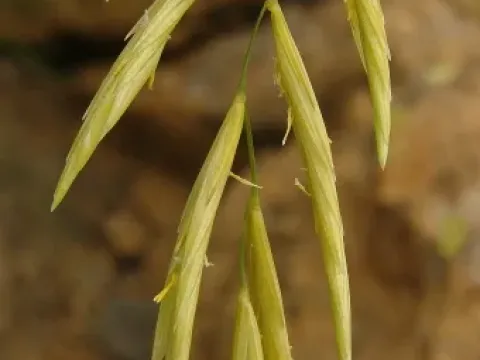
Brachypodium serpentini
Brachypodium serpentini
Brachypodium serpentini is a distinct perennial grass species belonging to the Poaceae family. It is recognized as a specialist plant that has evolved to colonize geological sites characterized by serpentine soils, which are typically toxic to most agricultural crop varieties.
What the section contains
Brachypodium serpentini
The plant originates from regions with specific ultramafic rock outcrops. These environments are naturally high in magnesium and heavy metals, forcing the species to develop unique physiological mechanisms for nutrient uptake and survival under harsh edaphic conditions.
Botanically, this species is defined by its narrow leaf blades and loose inflorescences. Its root system is exceptionally efficient, allowing it to penetrate rocky substrates and anchor effectively, which contributes significantly to soil stabilization in erosion-prone areas.
In terms of environmental requirements, it thrives in well-drained, nutrient-poor conditions. It prefers a temperate climate with sufficient moisture access within rocky crevices, avoiding waterlogging, which can be detrimental to its shallow yet resilient root system.
The agricultural and environmental use of Brachypodium serpentini is focused on phytoremediation. Because of its tolerance to heavy metal toxicity, it serves as an excellent candidate for the restoration of degraded mine tailings and industrial lands where standard grasses fail to establish.
The primary threats to this grass include the loss of habitat due to landscape modification and industrial expansion. Furthermore, the species is susceptible to chemical contamination from synthetic fertilizers, which alter the specific soil chemistry upon which it depends for competitive survival.