
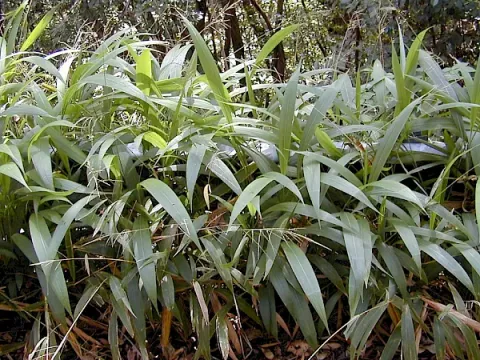
Bristly foxtail
Setaria setosa
Bristly foxtail (Setaria setosa) is a member of the Poaceae family, widely recognized for its robust nature and rapid development in favorable conditions.
What the section contains
Bristly foxtail
Seeding should occur when soil temperatures have consistently reached at least 15 degrees Celsius to ensure rapid and uniform germination across the field.
The planting depth should be kept shallow, generally between 1 and 3 centimeters, to prevent exhausting the seed's energy reserves before emergence.
Optimum sowing time is usually late spring, allowing the plant to take full advantage of the remaining spring moisture before the onset of summer heat.
Seed density varies depending on the end goal: denser sowing is required for forage production, while thinner sowing is preferred for seed multiplication.
The crop is highly adaptable to various soil types, including sandy loams and clay-heavy soils, provided that there is adequate drainage throughout the growing season.
It thrives in warm, sunny environments, demonstrating exceptional resilience to periods of intense heat and prolonged drought that would stunt other crops.
While Bristly foxtail can grow in moderate soil fertility, applying phosphorus and nitrogen fertilizers significantly boosts vegetative growth and overall quality.
The plant prefers neutral to slightly acidic soil conditions and does not tolerate high levels of soil salinity, which can severely impact root expansion.
Water requirements are relatively low compared to other cereal crops, making it an excellent candidate for regions with limited irrigation resources.
Yield potential of Bristly foxtail is highly dependent on effective weed control during the establishment phase, as the young seedlings are slow to develop.
In optimal conditions, the crop can yield multiple cuts, making it a reliable source of green forage during the peak summer months for livestock.
Average biomass production typically ranges between 18 and 32 tons per hectare, depending on seasonal rainfall patterns and overall site management practices.
For seed production, yields are influenced by pollination success; high temperatures during the flowering stage should be managed to avoid crop loss.
Proper harvesting techniques ensure that yield losses are minimized, particularly in terms of leaf retention, which is crucial for nutrient density.
Major diseases affecting this crop are typically fungal in origin, including rusts and smuts, which often emerge during spells of high humidity and poor ventilation.
Insects like aphids and various grass-feeding larvae can cause significant damage to the leaf tissue, necessitating early detection and targeted interventions.
Integrated pest management strategies, such as crop rotation and the use of resistant varieties, are the most effective ways to manage potential threats.
Weed competition is the single most significant threat during the first four weeks, requiring either mechanical cultivation or appropriate herbicide application.
Field sanitation after harvest helps reduce the carry-over of pathogens and pests, ensuring a healthy environment for future cropping cycles.
Harvesting for silage or green feed is best timed before the plant enters the seed-forming stage to maximize digestibility and protein content.
Mechanical harvesters must be set to leave at least 5-7 centimeters of stubble, which promotes rapid regrowth of the plant and allows for subsequent cuts.
For hay production, the material should be raked and baled at a moisture level that prevents molding while preserving the green color of the leaves.
Seed harvesting should be performed when the heads have fully matured and hardened, typically indicated by a color change in the panicles.
Post-harvest storage requires well-ventilated conditions to prevent temperature spikes and moisture build-up that could ruin the quality of the harvested biomass.